
Building adoption without authority: volunteer learning systems at scale
Role: Chapter Founder & Program Architect (SheSays Chicago) | VP, Mentorship & Program Strategy (AIGA Chicago)
Scope: Community building, program design, facilitator enablement, sustained engagement without dependency
No budget. No staff. No mandates. Systems that ran for a decade because people wanted to show up.
Impact at a Glance
-
2,500+ SheSays members
reached through volunteer-led programming built without paid staff or a dedicated budget
-
600+ designer mentees
served across six AIGA mentorship cohorts, with under 3% attrition
-
75% attendee return rate
across SheSays programming, sustained over ten years without a mandate to return
-
![]()
L’Oreal Thompson Payton — SheSays Mentor and Speaker
“Jen has a rare gift for bringing people together and making everyone feel like they belong. Her SheSays events inspired, connected, and empowered Chicago’s creative community.”
-
![]()
Trina Uzee — SheSays Mentor and Speaker
“Jen’s leadership of SheSays Chicago was nothing short of transformative. Her enthusiasm and purpose created life-changing events that made everyone feel seen, valued, and inspired.”
-
![]()
Mary McKeating — AIGA Mentor Program Participant
“It was wonderful to have a place to learn and receive unbiased and nonjudgemental feedback. My mentors were smart, relatable and eager to share their experiences."
-
![]()
Rebecca Macdonald — AIGA Mentor Program Participant
“It was a great way to connect with other designers who are members of AIGA but in a more intimate setting. It also gave me an opportunity to be creative and collaborative outside of my daily job.”

The Problem
The hardest design ops problem is not building a system. It is getting adoption when you have no formal authority to require it.
SheSays Chicago and AIGA Chicago were the proving grounds for that. No mandates. No headcount. No spend. Just curriculum, facilitation infrastructure, and community design that made people want to come back and bring others.
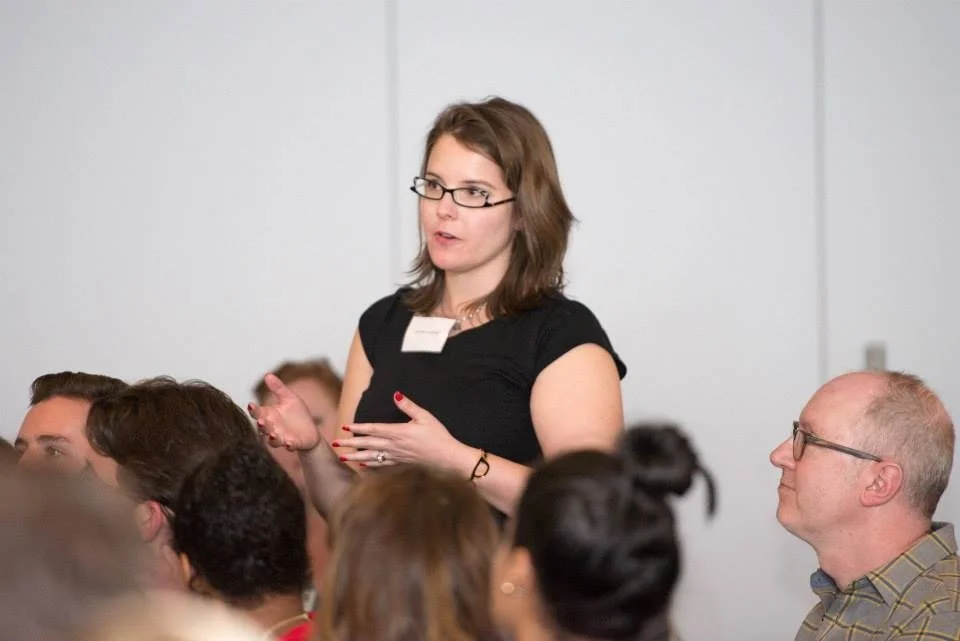
When I was promoted to Creative Director, I learned that only 3% of creative directors were women. I looked for mentorship programs to help me navigate leadership and found nothing in Chicago that served women at my career stage in design. So I built it.
The Decision That Mattered
How do you build quality into programming that can only improve by running it, watching what lands, and adjusting?
What I Built
Programming Infrastructure
The mechanism:
Founded the Chicago chapter with no local network, budget, or staff
Built the operational layer from zero: strategy, logistics, sponsorship, speaker management, marketing, and event execution
Ran programming directly while developing repeatable formats and facilitator guides refined through participant feedback
Learned through repetition what drove return: topic relevance, speaker quality, format variety, and consistent execution
Why it mattered:
The frameworks got better because the events happened first. A decade of programming quality came from iteration on what worked, not from documentation built upfront.
Adoption proof:
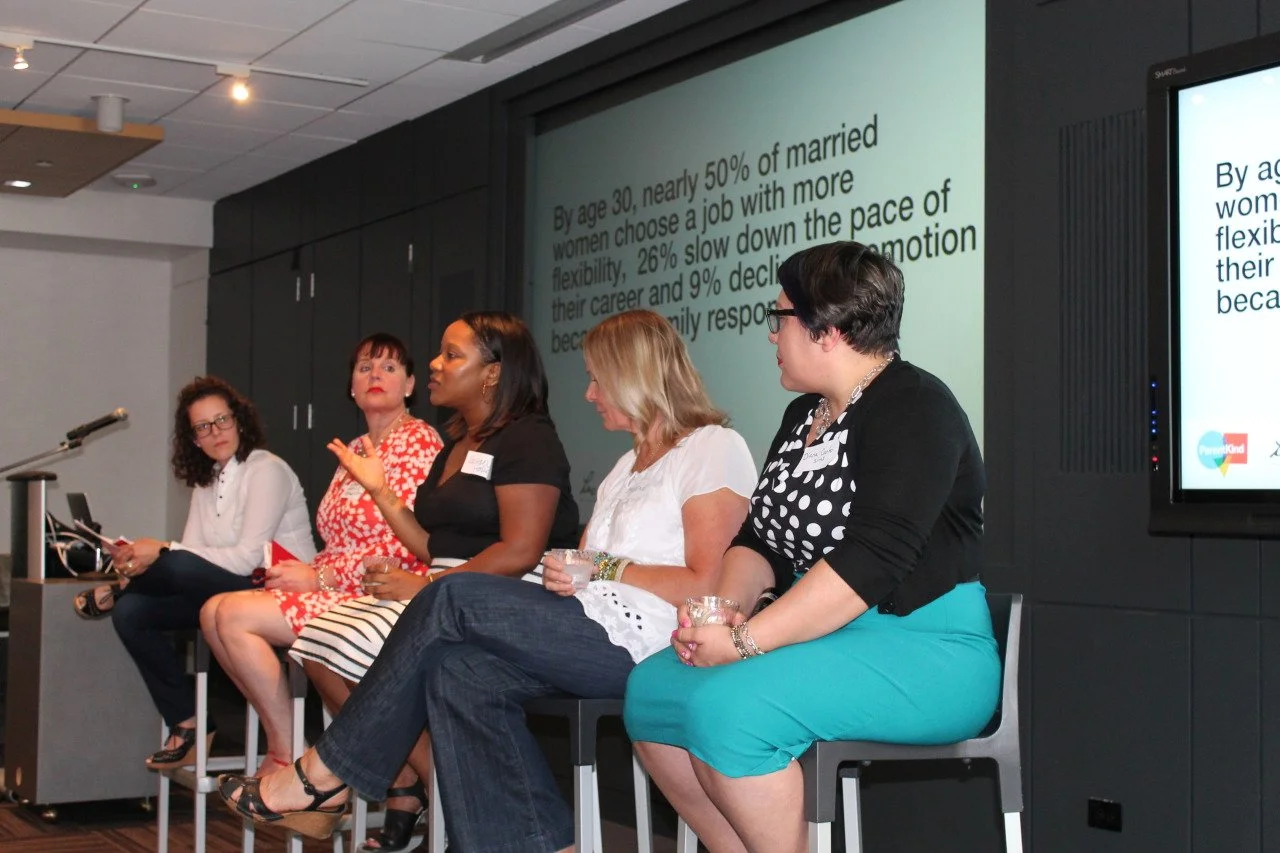
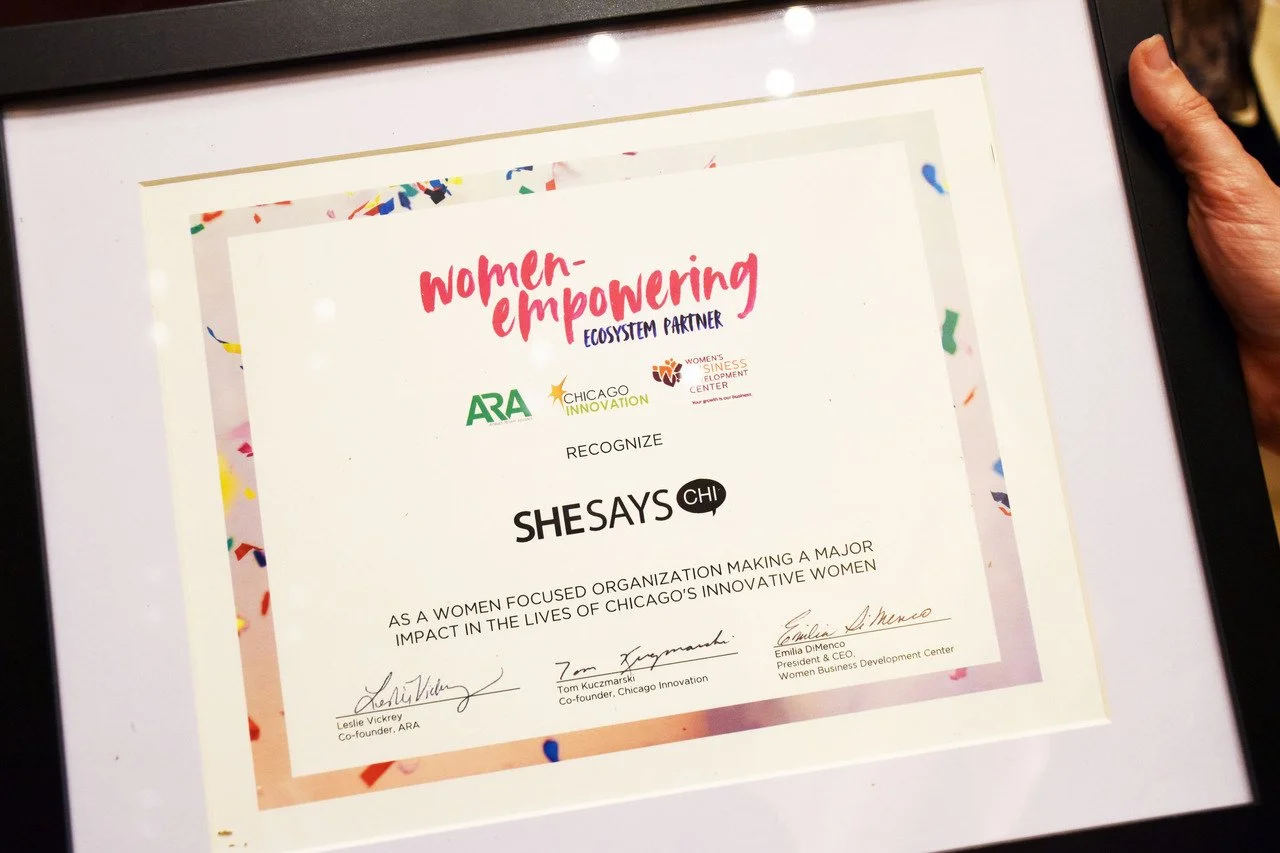
Programming ran without paid staff for ten years. Free events sold out within 24 hours. The chapter reached 2,500+ members, one of the largest SheSays chapters globally, with 75% of attendees returning across multiple years. SheSays Chicago received the Chicago Innovation Award recognizing community impact.

Inclusive Programming
The mechanism:
Built intentional speaker selection criteria ensuring representation across race, gender, professional background, and career stage as structural practice
Designed programming categories covering leadership, salary negotiation, portfolio building, and career navigation
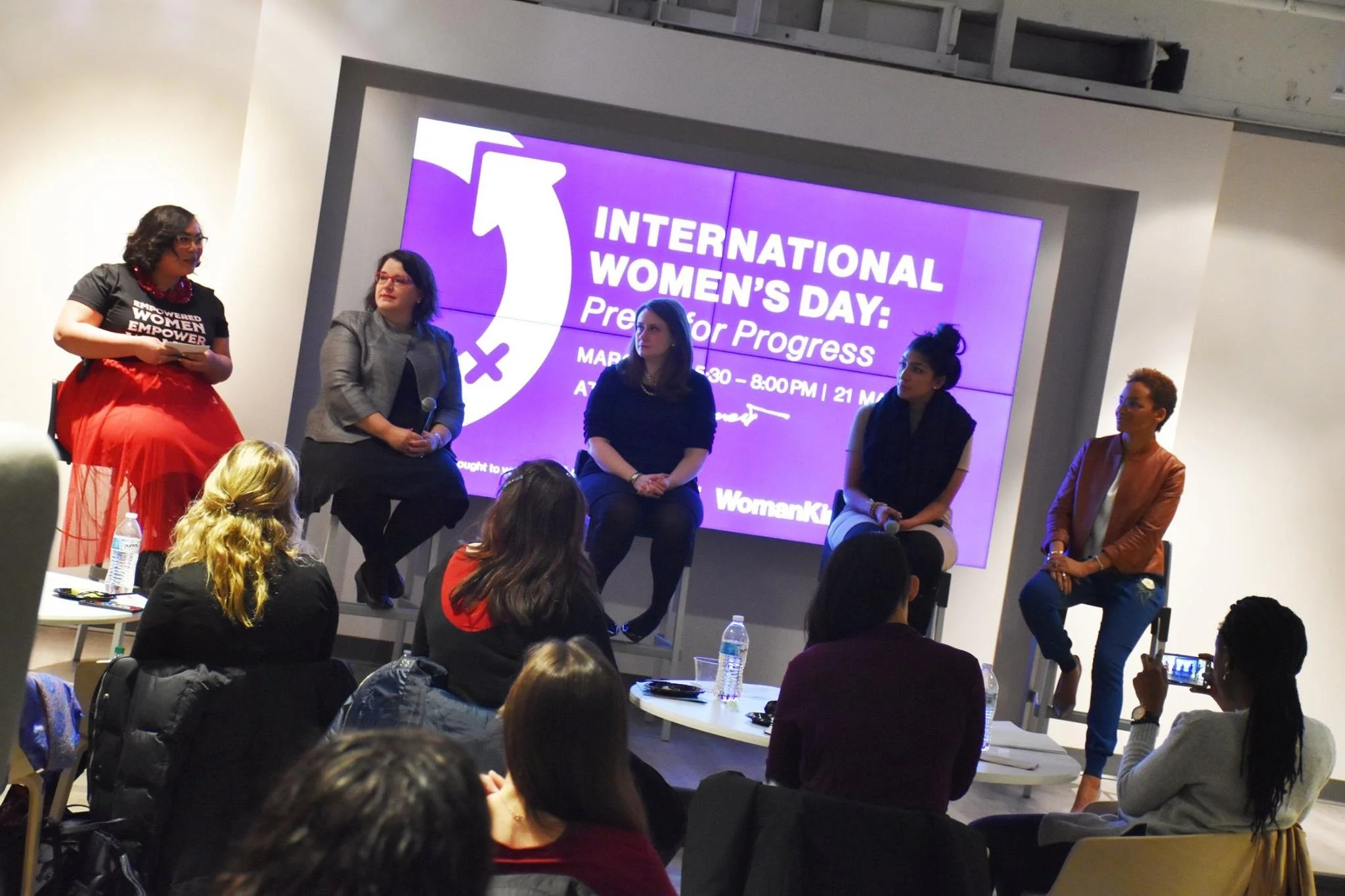
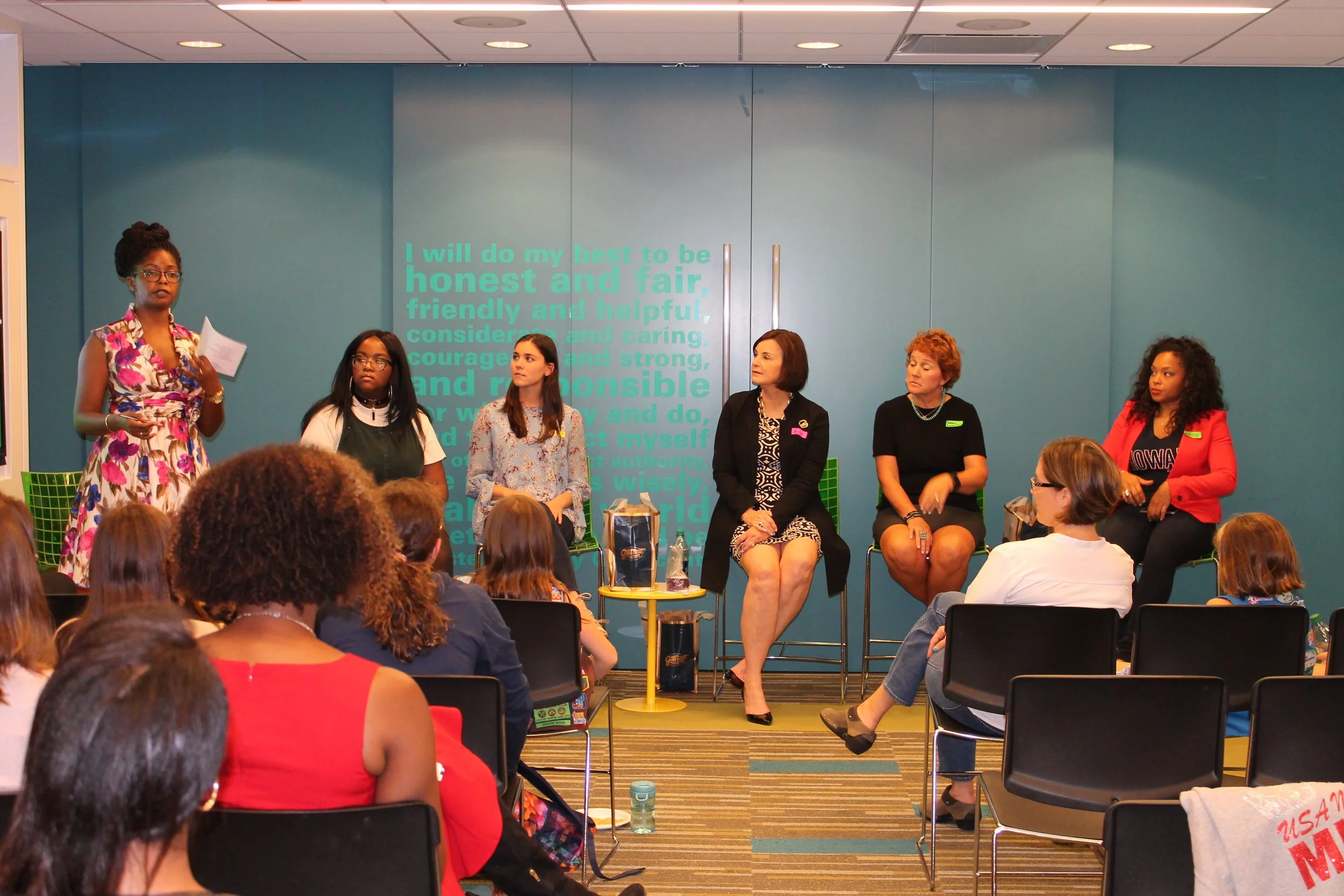
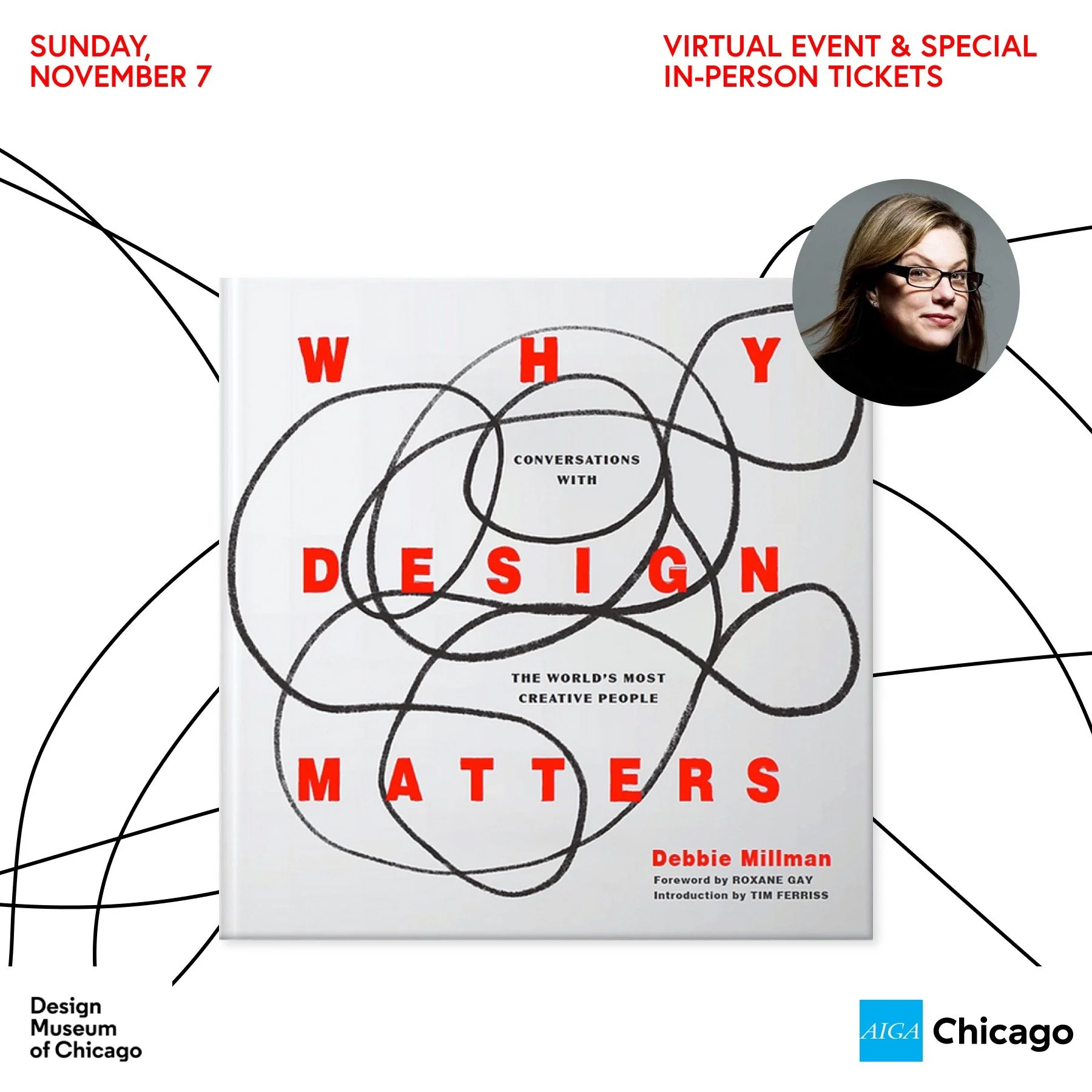
Created flagship events sustaining engagement across years: International Women's Day with 200+ attendees, mentor roundtables, and partner events with Girl Scouts, General Assembly, and Leo Burnett
Why it mattered:
Making representation structural rather than reactive kept it consistent across 100+ events and multiple programming cycles over ten years.
Adoption proof:
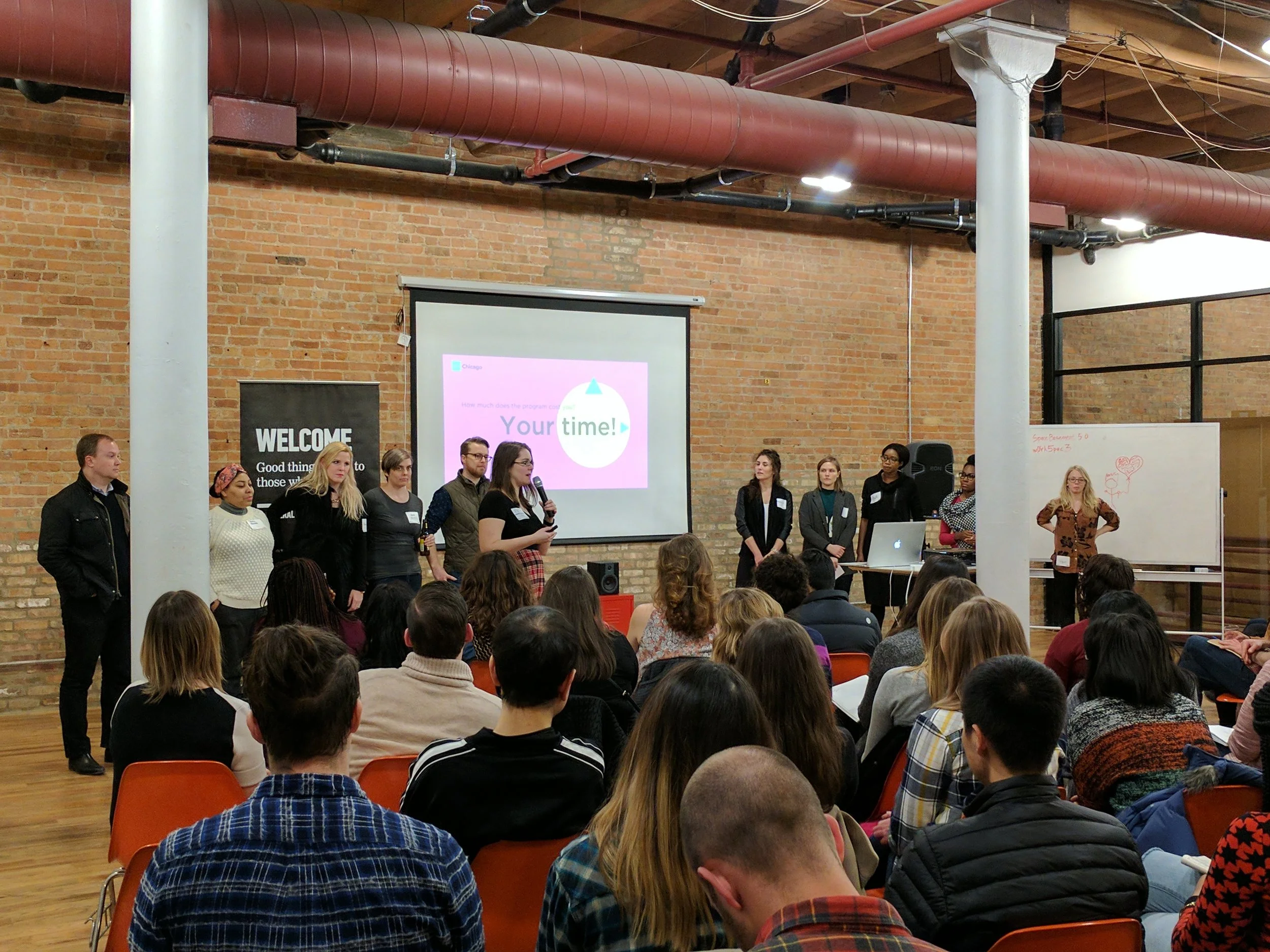
100+ career development workshops and panel discussions delivered. Audiences ranging from 40 to 250 attendees. 75% return rate sustained without a membership requirement or mandate to re-engage.
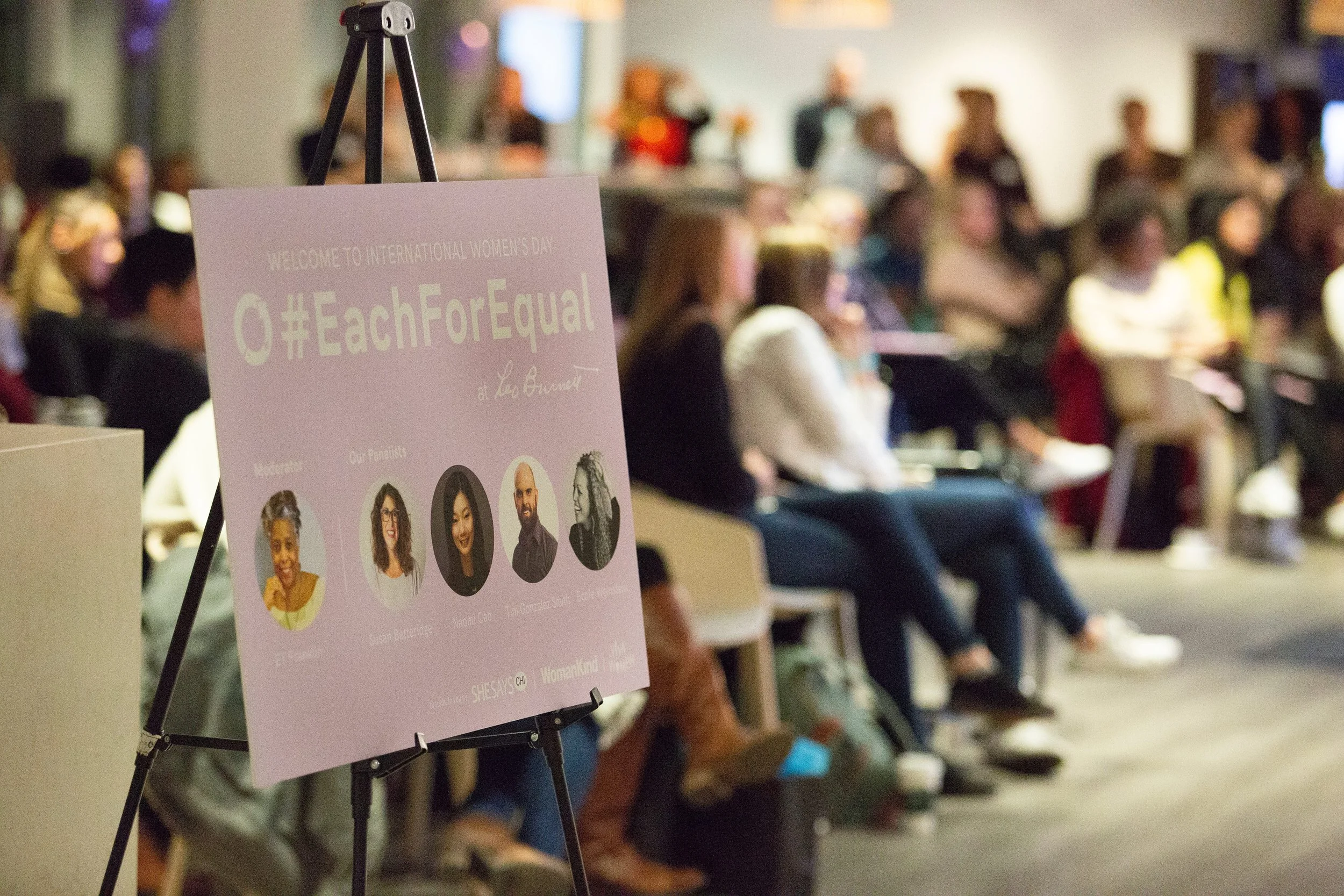
Each for Equal hosted by Leo Burnett
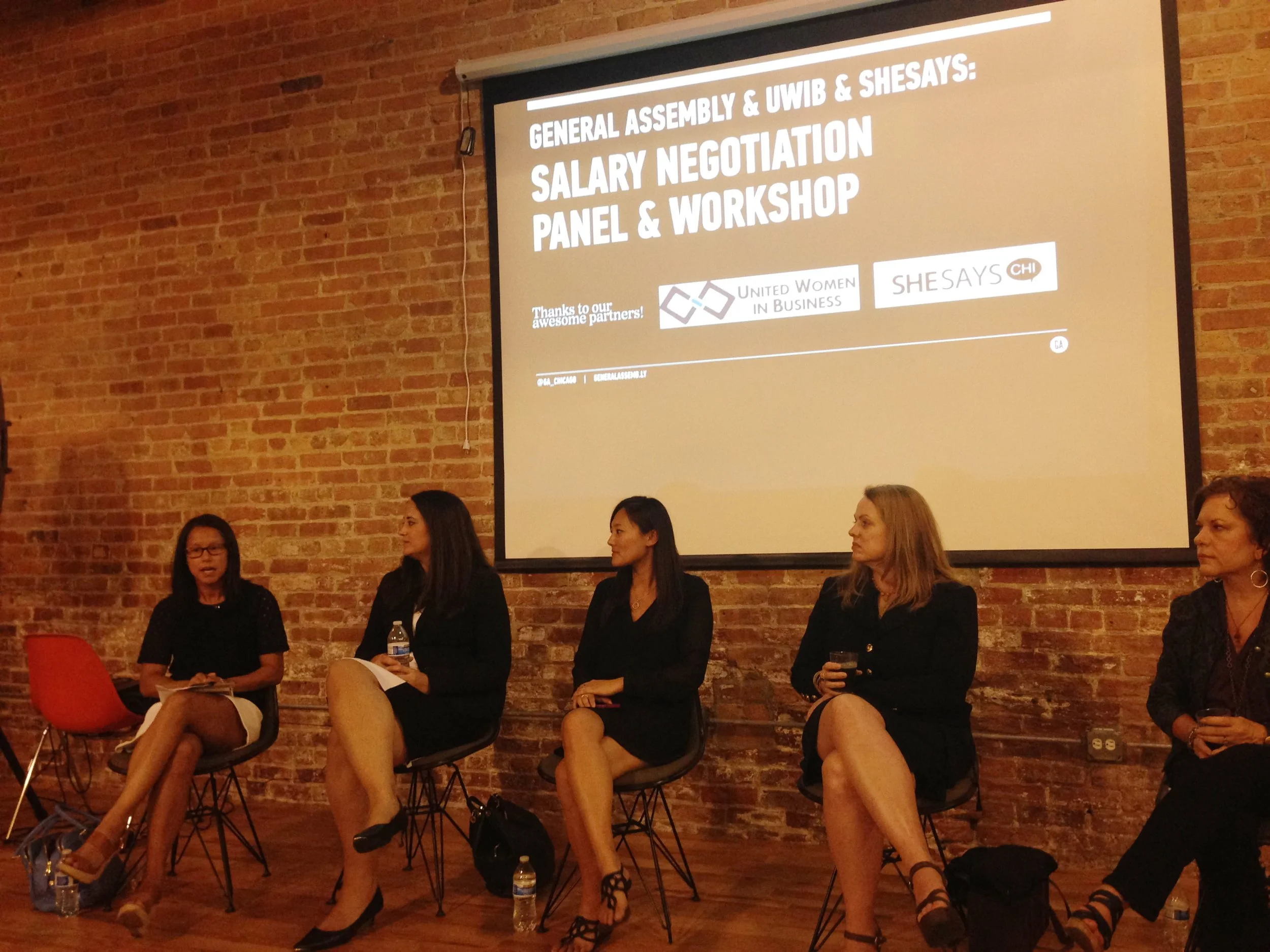
Salary Negotiation hosted by General Assembly
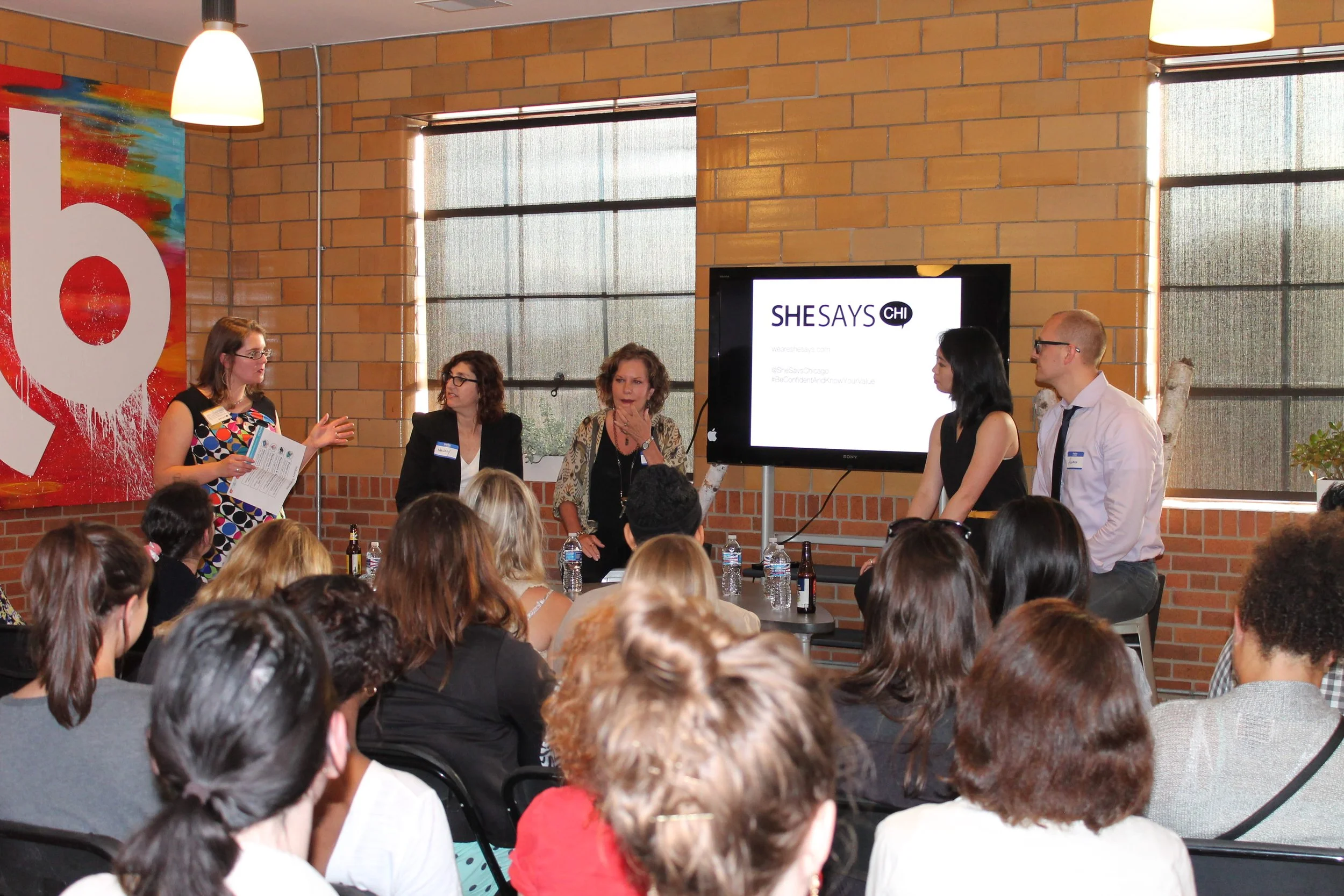
Be Confident and Know Your Value hosted by Devbridge
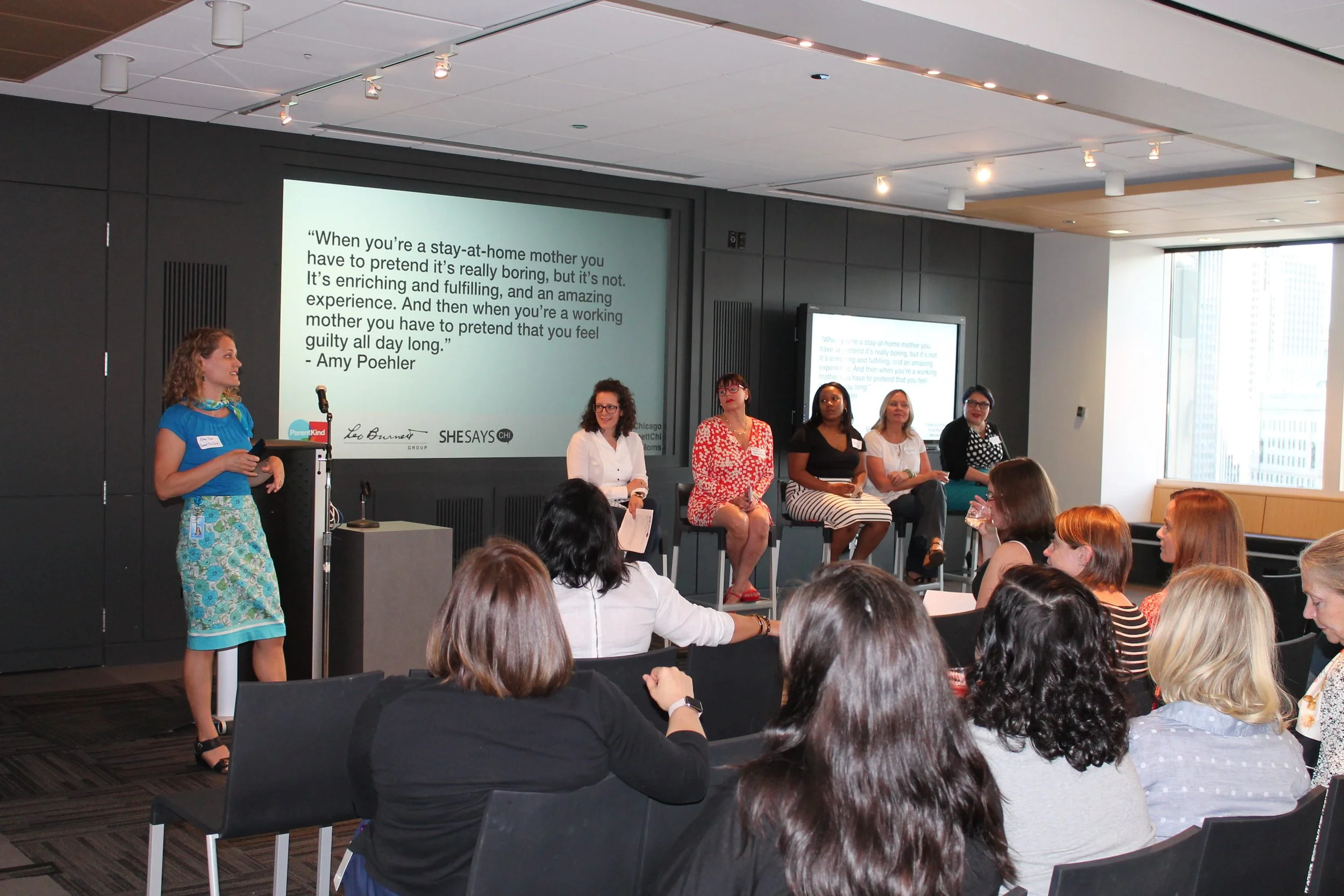
Motherhood and Advertising hosted by Leo Burnett
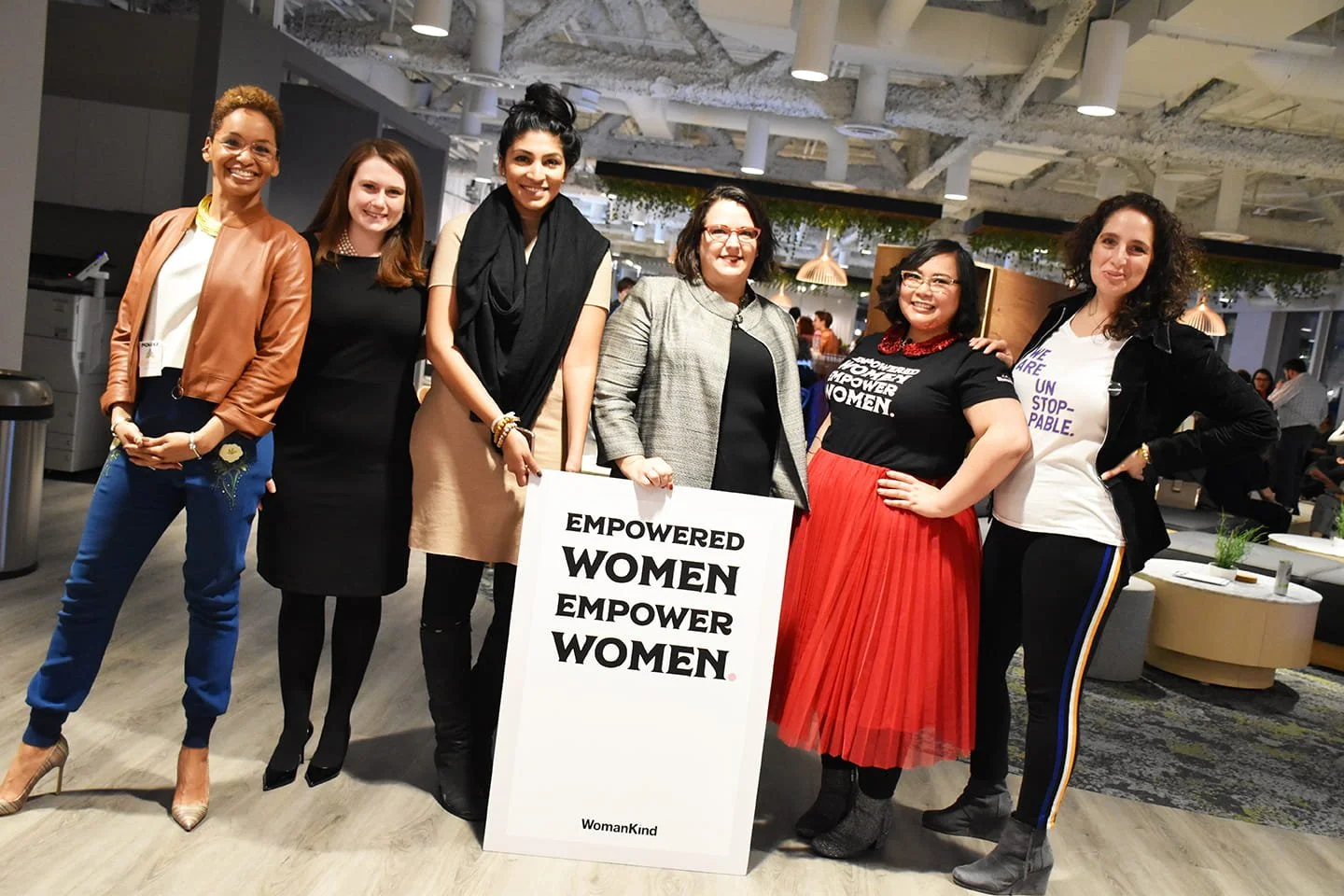
International Women's Day at Leo Burnett
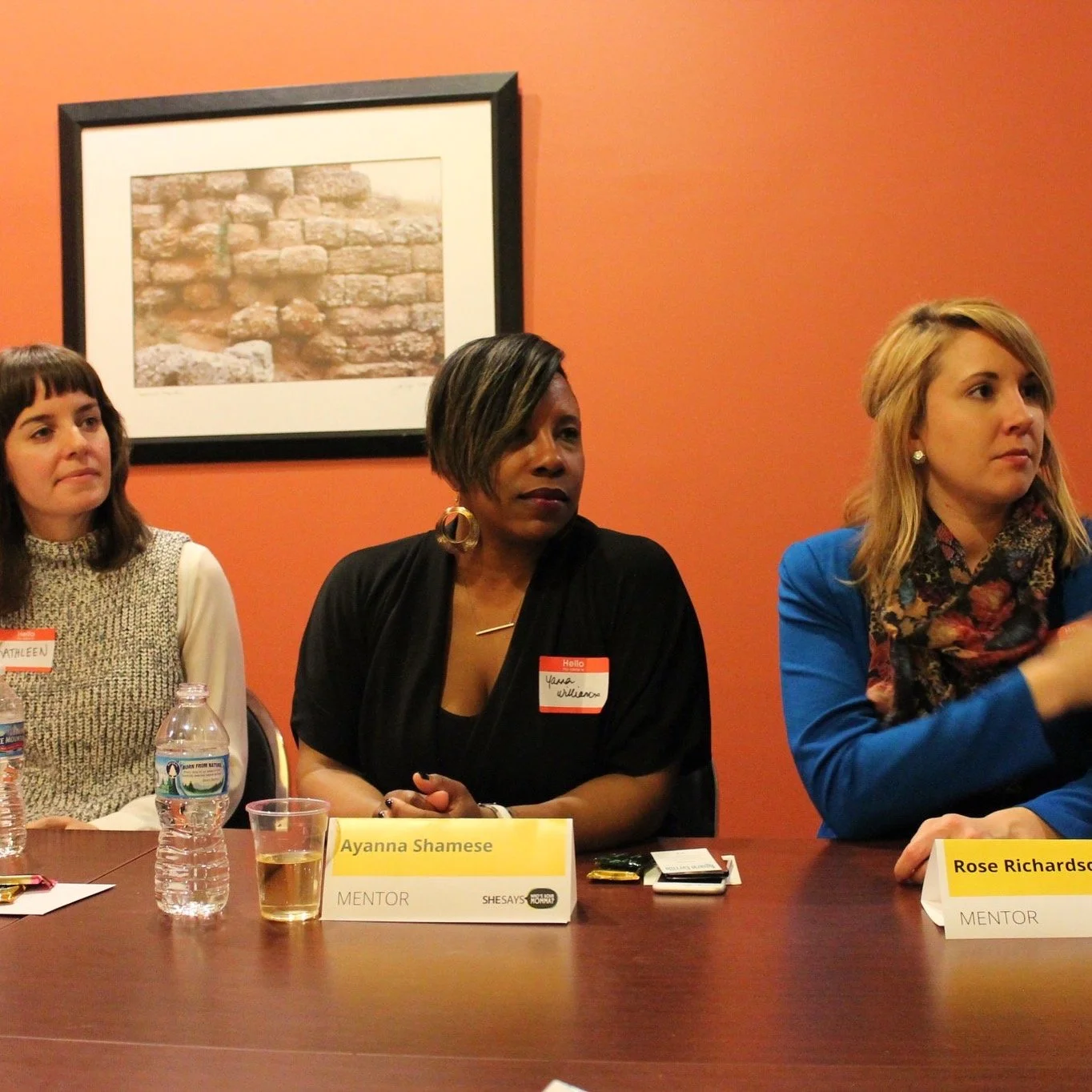
Mentor Round Tables hosted by Ascend Training

Making Good hosted by Greater Good Studio
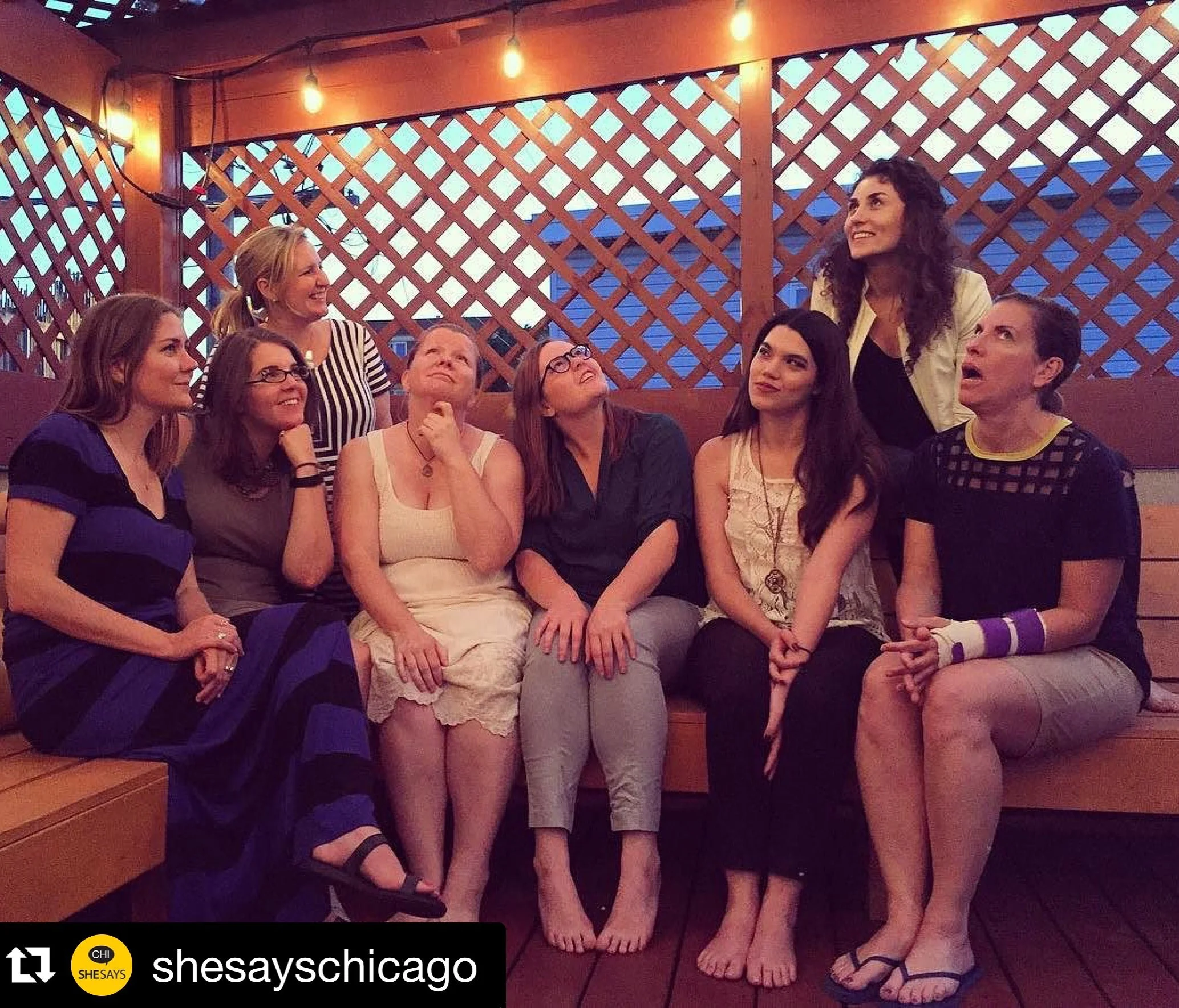
SheSays Chicago Team
Mentorship Architecture
The mechanism:
Inherited an AIGA mentorship program running 50 mentees per cohort
Restructured into themed tracks: portfolio, leadership, UX, and collaborative projects
Designed blended format alternating small team weeks with full cohort sessions of 120 people
Built facilitator training curriculum standardizing delivery across cohort leads with biweekly all-mentor sessions
Partnered with agencies and design teams for hands-on studio experiences
Why it mattered:
Restructuring into tracks let the program scale without losing relationship quality. Standardized facilitator training meant cohort leads could run sessions without reinventing each one.
Adoption proof:
Doubled cohort capacity from 50 to 100 mentees immediately. Ran twice yearly across 6 cohorts, engaging 700+ designers over three years. Under 3% attrition across all cohorts. Presented the replicable model at the AIGA national conference, where other chapters adopted it.
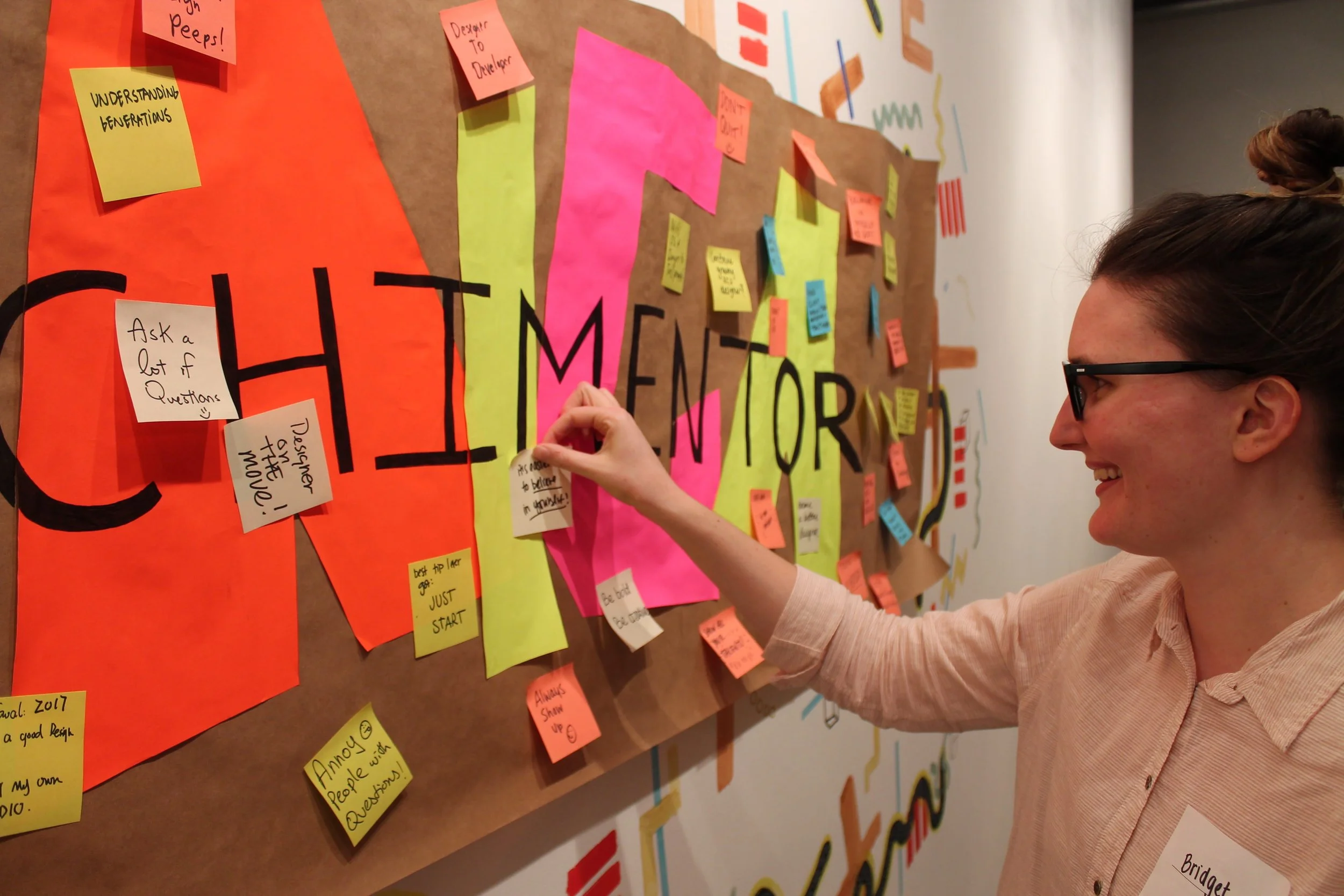

Chapter Program Strategy
The mechanism:
Set strategic direction for chapter-wide programming serving 3,500 members
Ran programming directly in partnership with co-lead while building coordination across siloed board teams
Expanded curriculum to include UX, digital product, and career leadership alongside traditional design
During COVID, reduced volume deliberately to protect programming quality over event count
Why it mattered:
Each board team had its own programming instincts but no shared strategy. Bringing coordination across those teams while continuing to run events directly made the chapter's output more coherent without slowing anyone down.
Adoption proof:
Programming expanded to serve designers across career stages and disciplines. Cross-team coordination reduced duplication and improved calendar coherence across the chapter.

Mentor Program Kickoff at General Assembly

Mentor Group Collaborative Poster Project
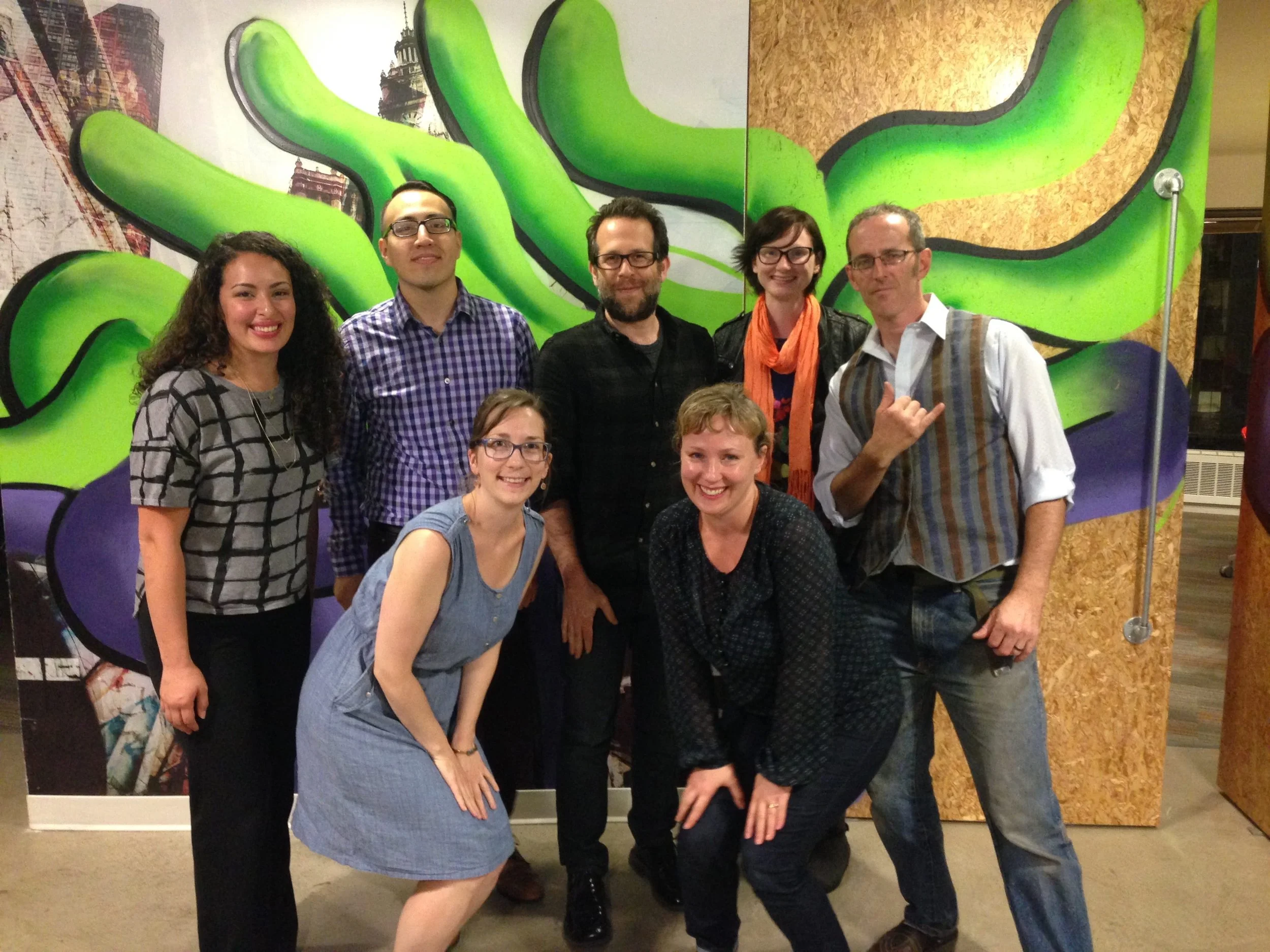
Mentor Group Tour at Digitas
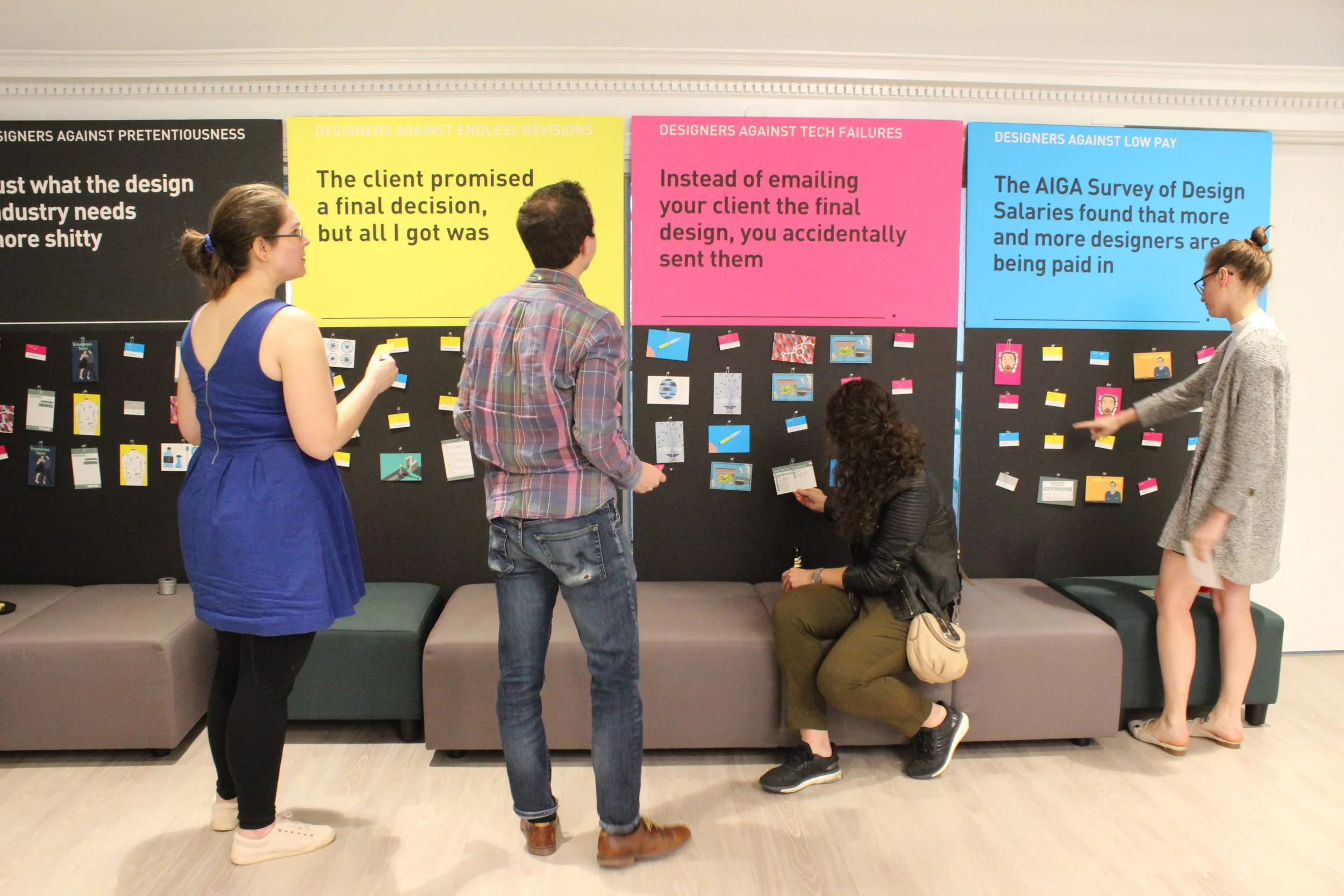
Mentor Group Collaborative Installation
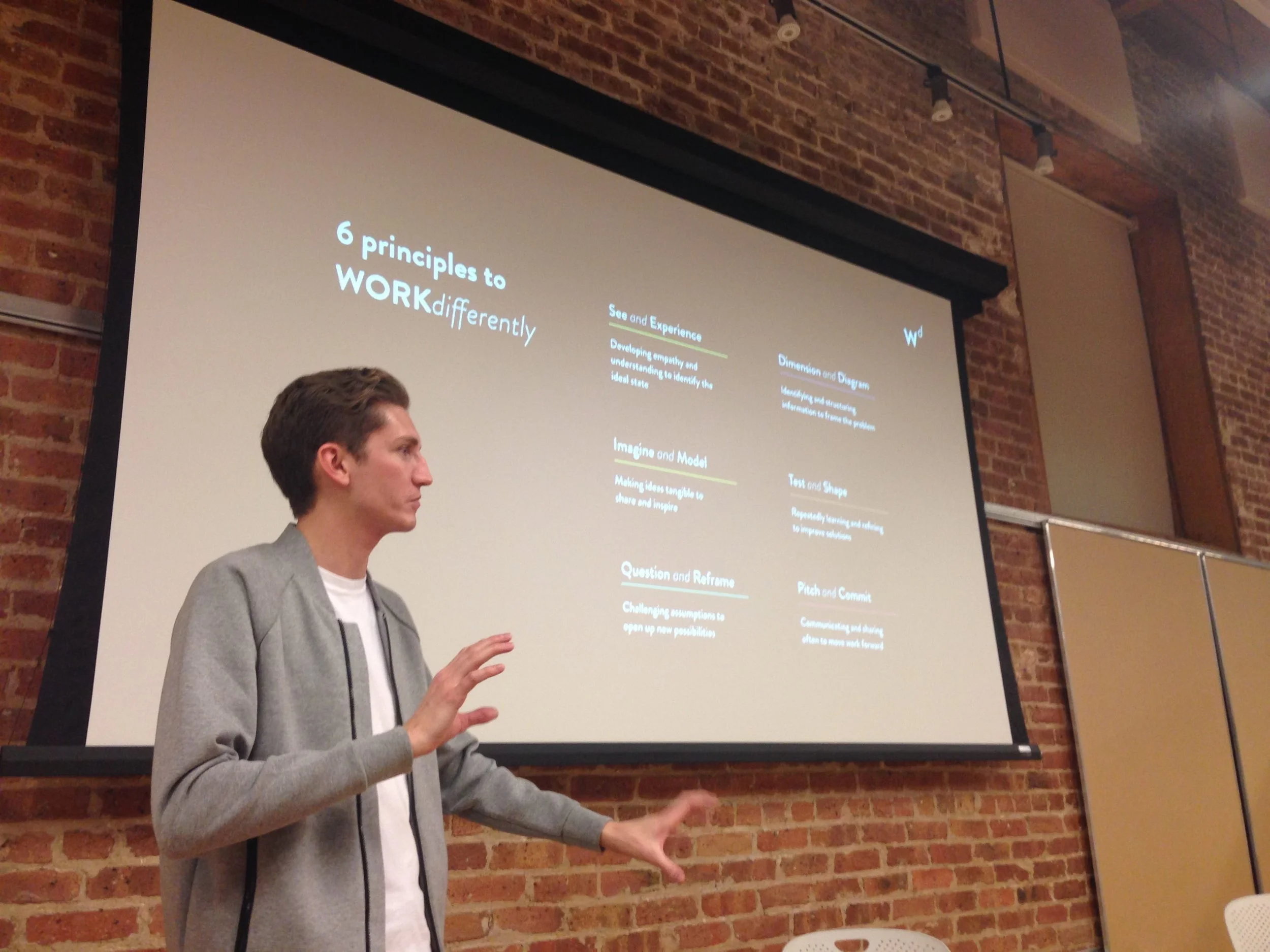
Studio Tour at Gravity Tank
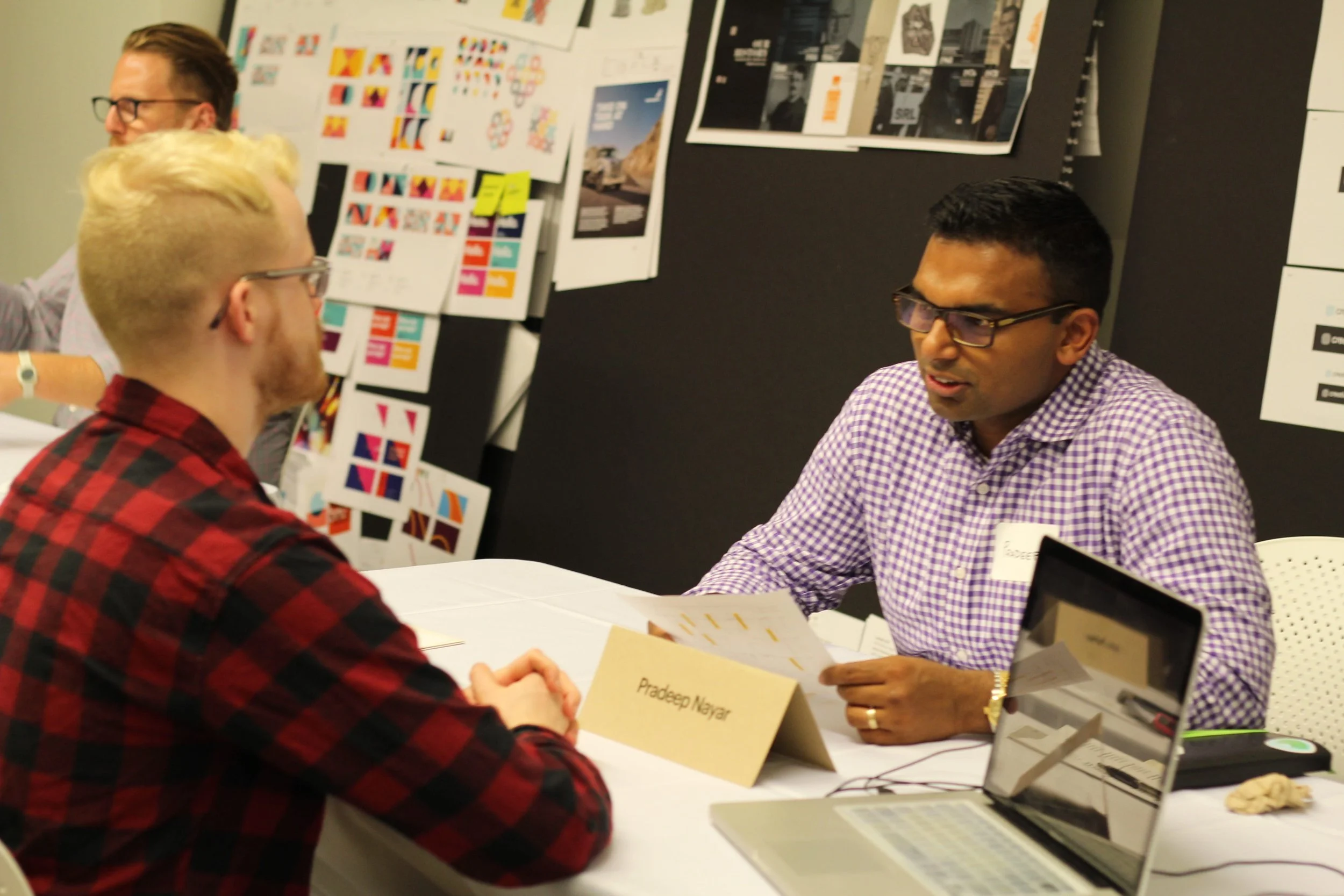
Portfolio Review Session
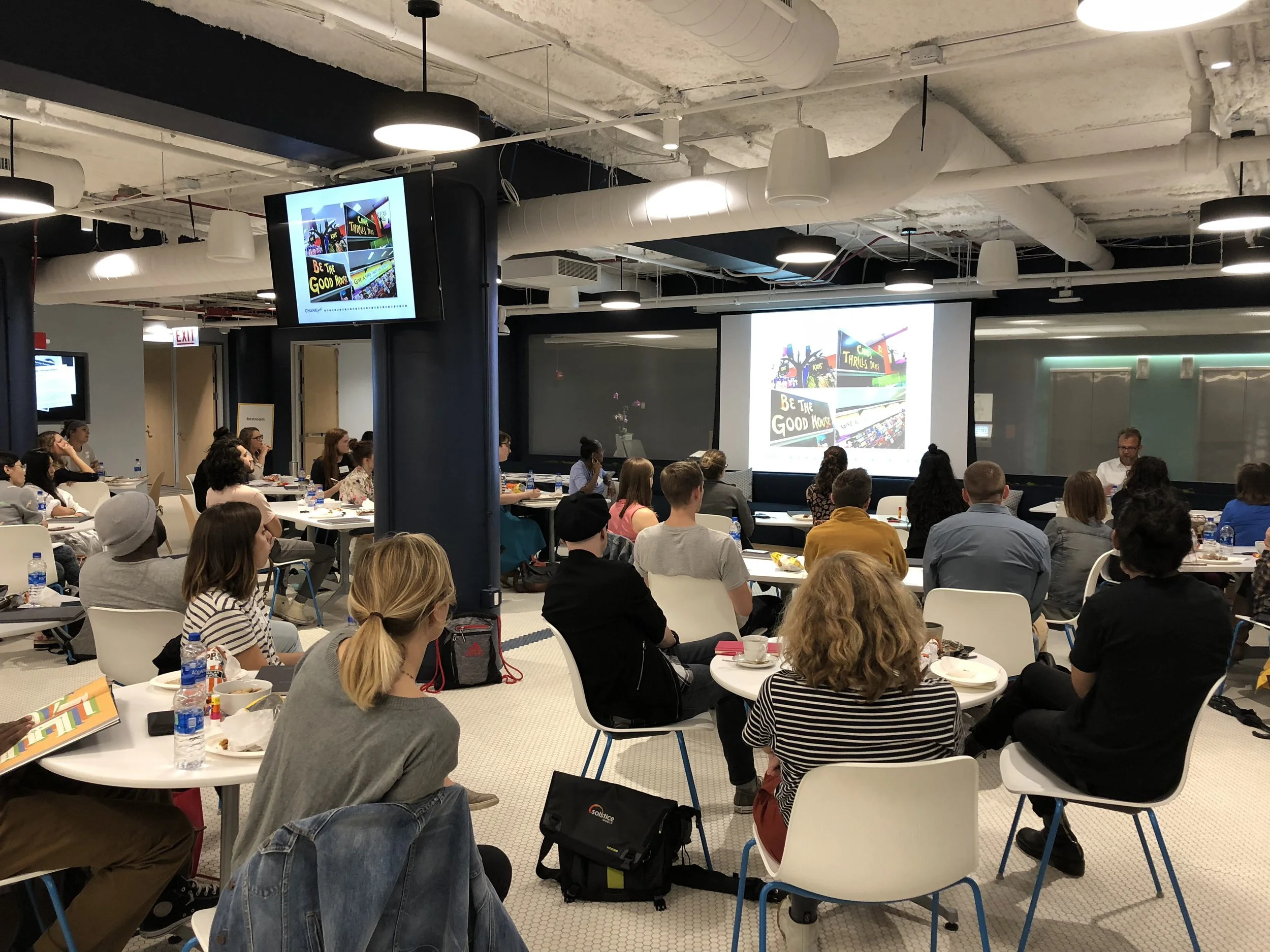
Chank Fonts Collaborative Workshop
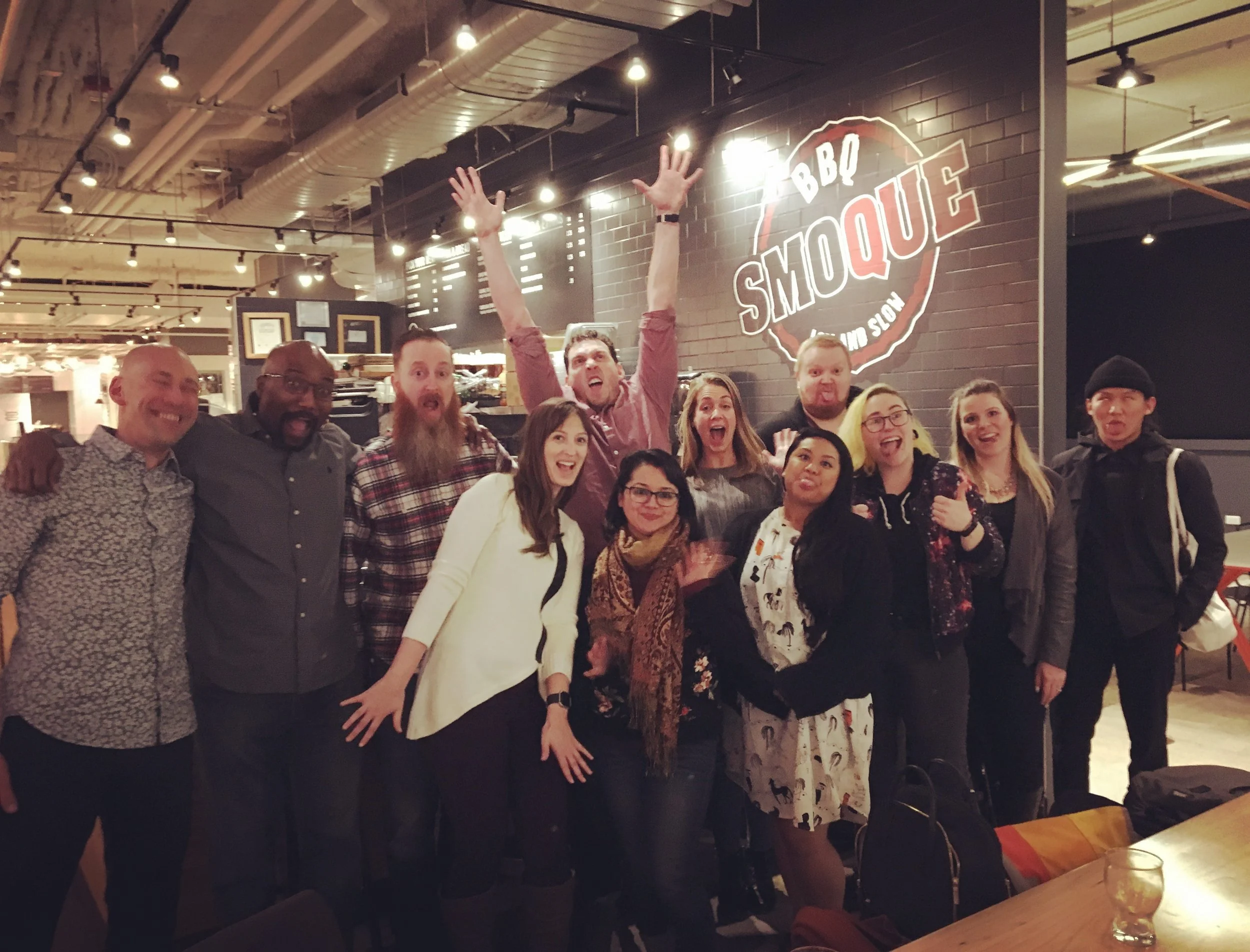
Mentor Cohort Meetup
What Changed
Both programs proved the same thing: adoption is an operational problem, not a motivation problem. When the system works, people show up because it works for them, not because someone asked them to.
What Scaled Forward
SheSays: Ten years of programming sustained through facilitator guides, governance structures, and repeatable formats built to outlast any single event cycle.
AIGA: The mentorship model was presented at the national conference and adopted by other chapters. The system scaled beyond the org that built it.
Facilitator Training: Mentors and cohort leads delivered sessions independently using frameworks I built. The programs ran on the system, not on me.