
Design teams do their best work when the operational layer isn't in the way.
I build the systems that make that possible. Not just the process, but the standards, the visibility, and the capability that lets teams make good decisions.
How I Work
I know this problem from the inside.
I spent years leading studio work before I built systems around it. That background is why I can tell the difference between a process problem and a people problem, and why designers tend to trust what I build.
Before I recommend anything, I want to understand what's actually breaking. That means real conversations with designers, leads, and stakeholders. By the end I know where the friction is and what a quick win looks like.
I find the actual problem first.
Intake and routing. Quality standards. Capacity visibility. Onboarding that works. Operating rituals that hold. The specifics vary. The goal is always the same: a team with the clarity to make good decisions and keep moving.
Then I build.
Systems that don't get used are just documentation. I build for adoption from day one, which means involving the team, making quick wins visible, and building trust before asking people to change how they work.
It sticks because the team owns it.
Selected Work
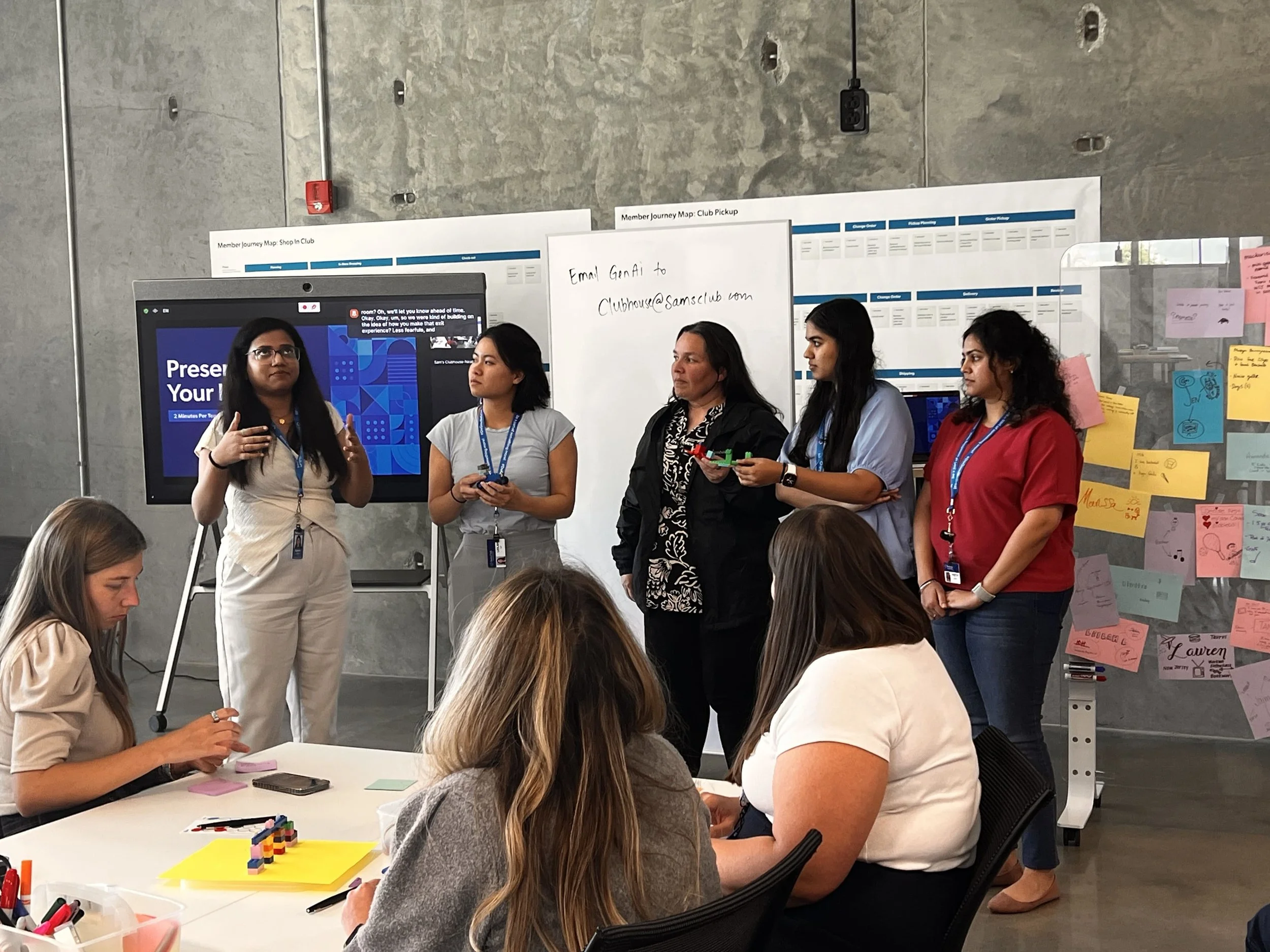
Sam’s Club
Built intake systems, service models, and capability infrastructure for a new enterprise innovation studio.
Curriculum embedded in new hire onboarding. 40% efficiency gain through AI integration. 1,000+ associates reached without adding headcount.
Glantz Design Studio
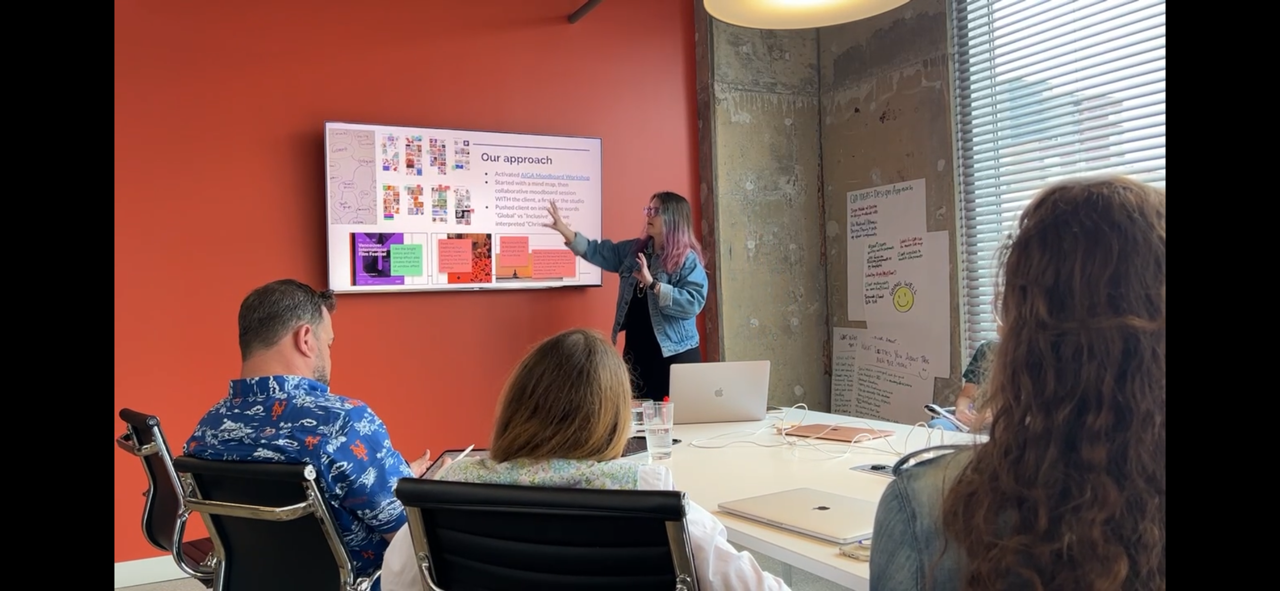
Built studio systems the team owns and still runs.
80% reduction in client revisions. 90% team retention over 7 years across 125+ annual clients.
AIGA Chicago and SheSays Chicago
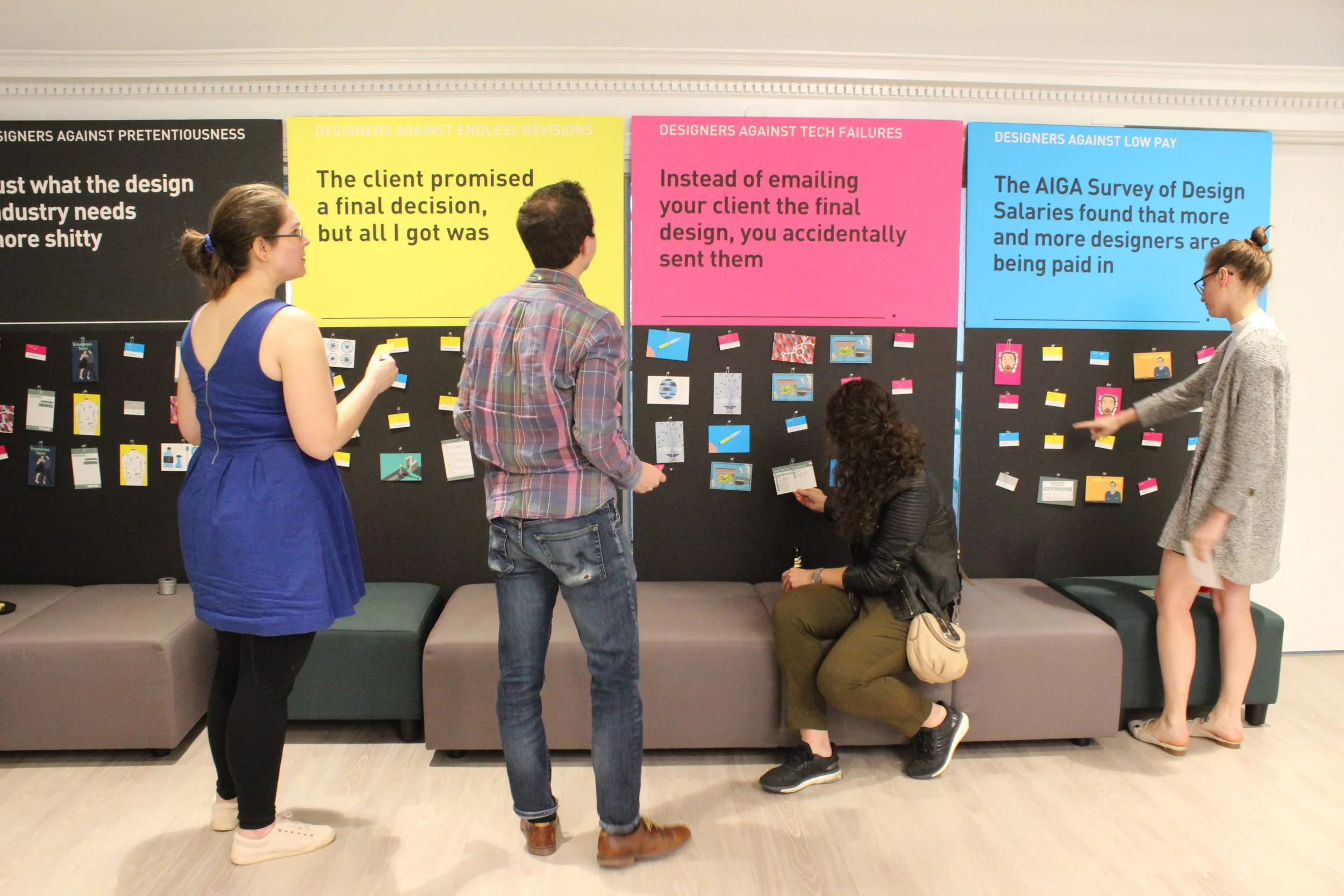
Built two design communities without budget, staff, or authority to require attendance.
6,000+ collective members. Proof that adoption is earned, not mandated.
-
![A woman with shoulder-length light brown hair and glasses, wearing a black blazer and white top, smiling at the camera.]()
“We hired her to run the studio and then promoted her to the Leadership Team."
Anne Weber — Account & Operations Leader, Glantz
-
![Close up of man with black hair and beard wearing a black mock turtle neck]()
“The processes she built for Glantz are still very much active, helping us honor and respect that flow."
Ricardo Lisboa — Creative Director, Glantz
-
![A woman with straight, shoulder-length dark hair, fair skin, and blue eyes, smiling for a portrait with a blurred warm-toned background, wearing a white top.]()
“She has a talent for bringing clarity to messy problems and helping teams move forward fast, without losing people in the process.”
Agustina Leske Thorpe — UX/UI Designer, Sam's Club
-
![Headshot of a man with dark hair and beard, smiling, wearing a light blue plaid shirt, against a neutral background.]()
“Hired into possibly the hardest role at my organization. She didn't just maintain the quality we had, she genuinely elevated it.”
Keith Glantz — CCO & Founder, Glantz