

Designing enterprise learning that converts to sustained behavior change
Role: Learning Program Architect & Lead Facilitator
Scope: Exposure phase → curriculum design → transfer optimization
Built an enterprise learning system designed for application, not attendance.
Impact at a Glance
-
200+ trained in AI-augmented problem-solving methods
Built AI into curriculum delivery and taught practical AI application across design, marketing, operations, and product teams
-
NPS 70.9 with 94% learning satisfaction
Measured across 1,000+ participations through structured engagement tracking and C-suite reporting
-
90 sustained practitioners over 6 months
Associates continuing independent practice after training, tracked through repeat engagement and behavior change metrics
The Problem
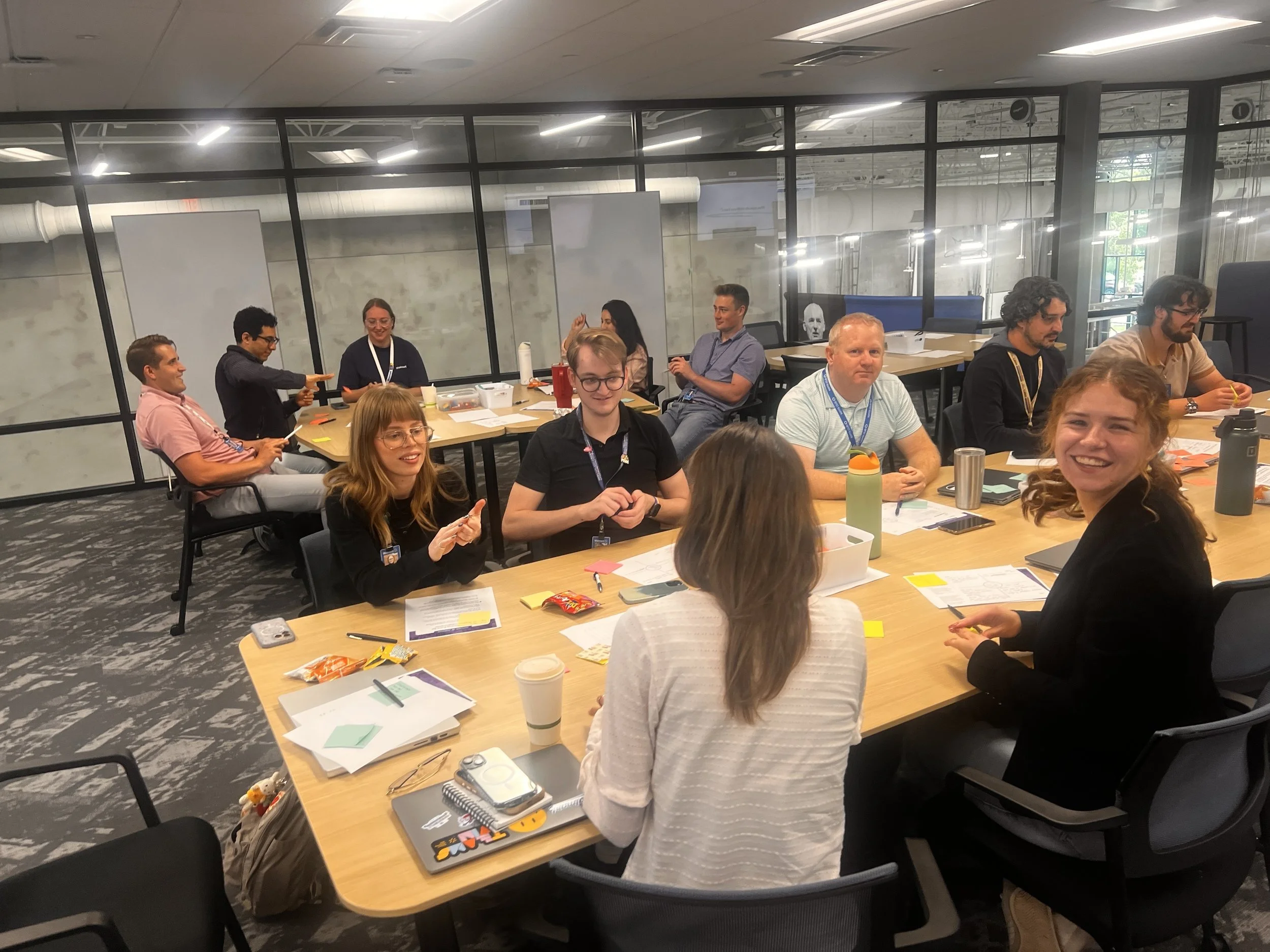
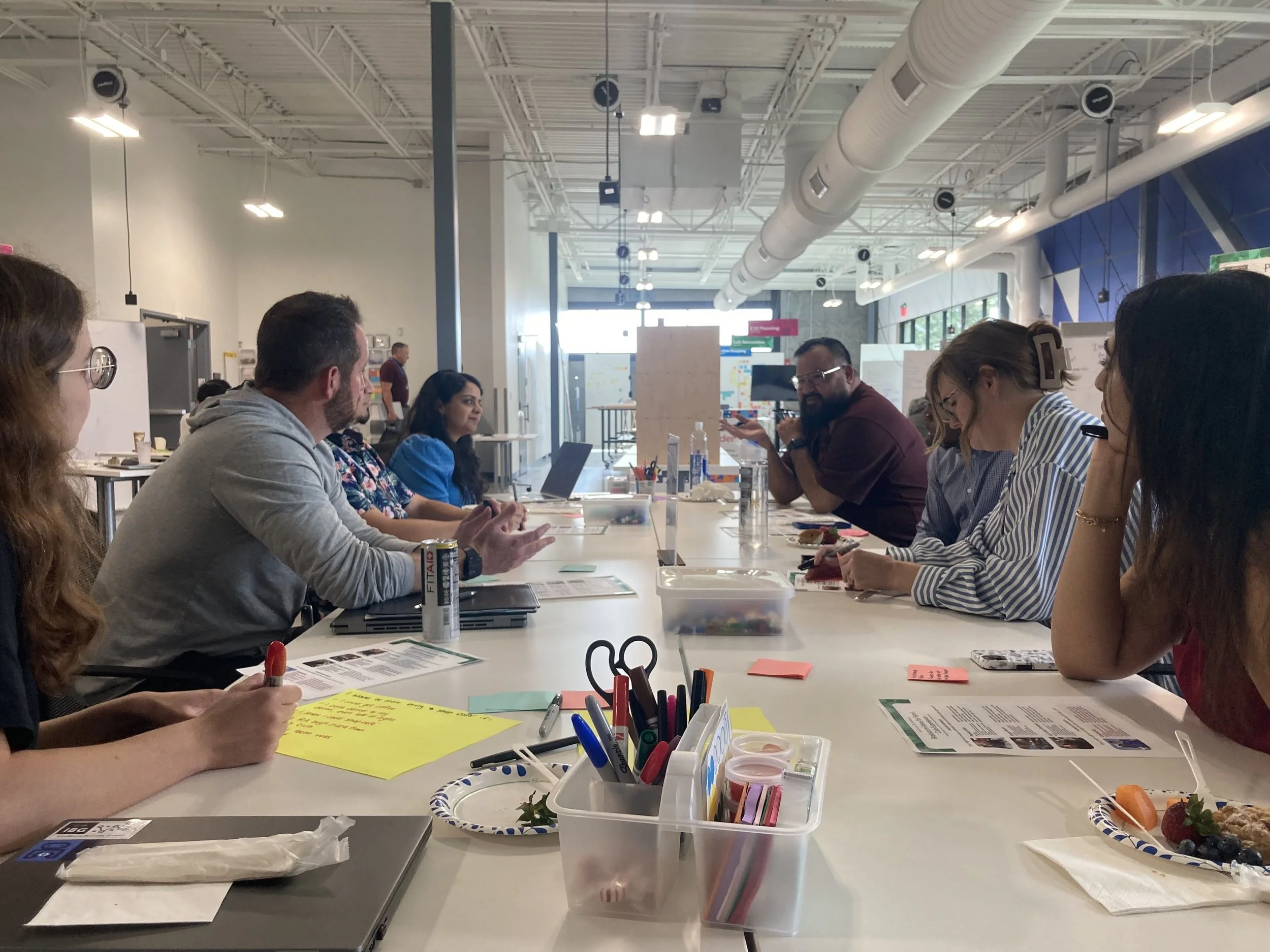
Early workshops at the new Clubhouse innovation studio attracted strong attendance but did not change behavior.
What was breaking
One-off sessions created awareness without retention
No learning progression or reinforcement
Teams forgot frameworks after a single exposure
No way to measure transfer beyond satisfaction
Why leadership cared
The organization needed to democratize human-centered design capability at scale. Without structured learning and reinforcement, workshop exposure alone wouldn't deliver sustained practice or business impact.
What was at risk
Training effort without capability change. High enthusiasm, low impact.

The Decision That Mattered
How do we design instruction that converts learning into behavior at enterprise scale?
Enterprise launch catalyst
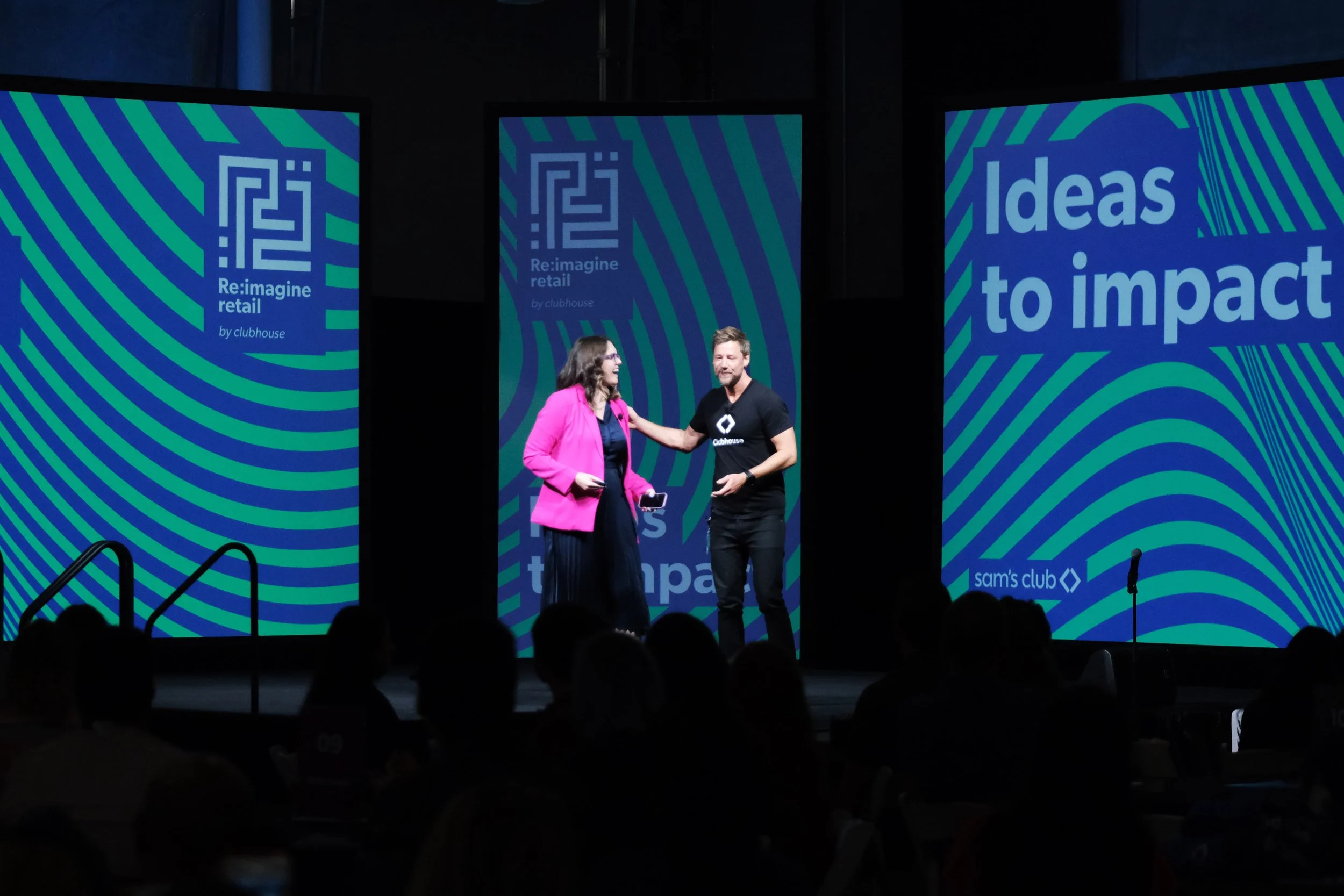
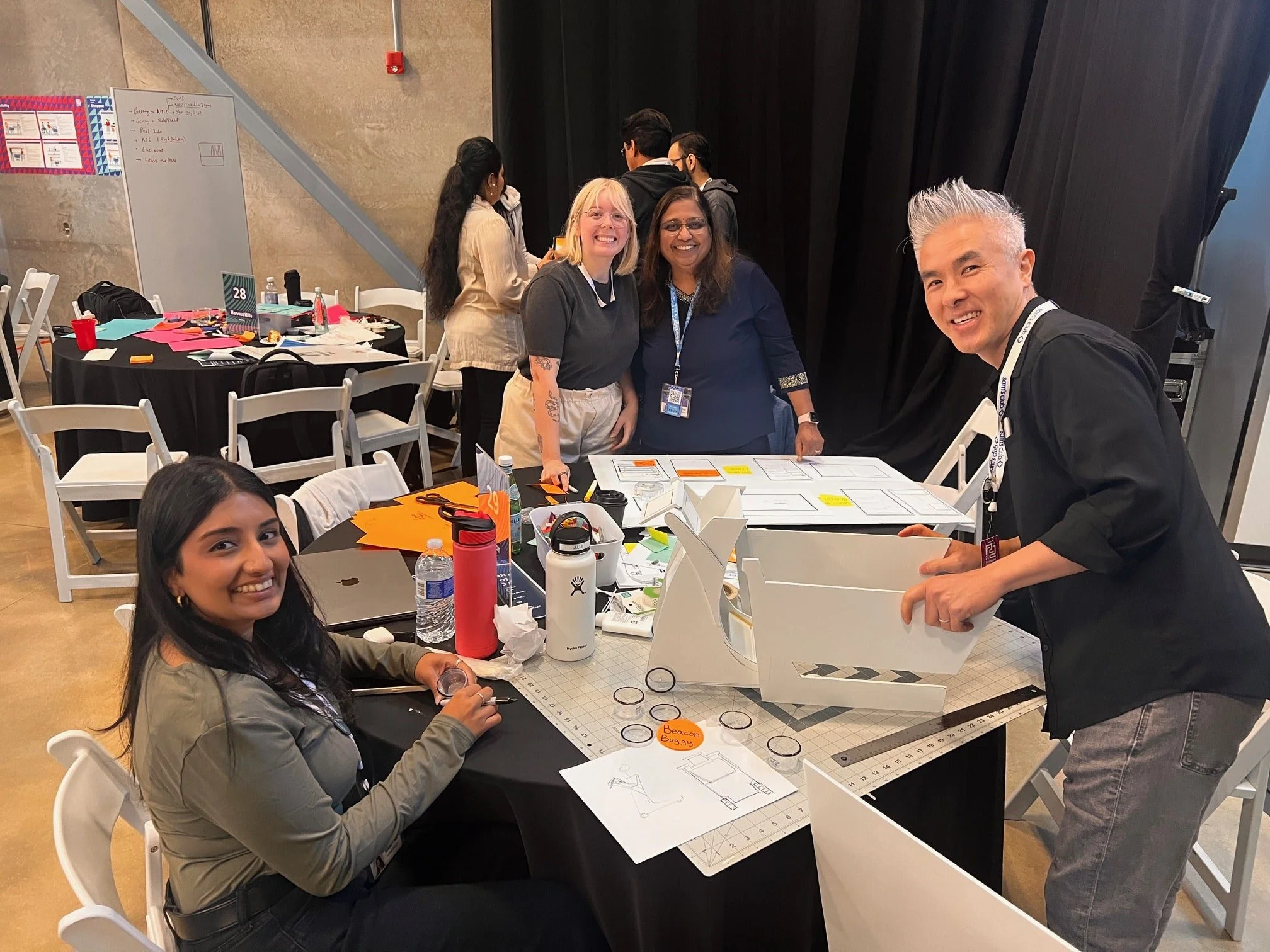
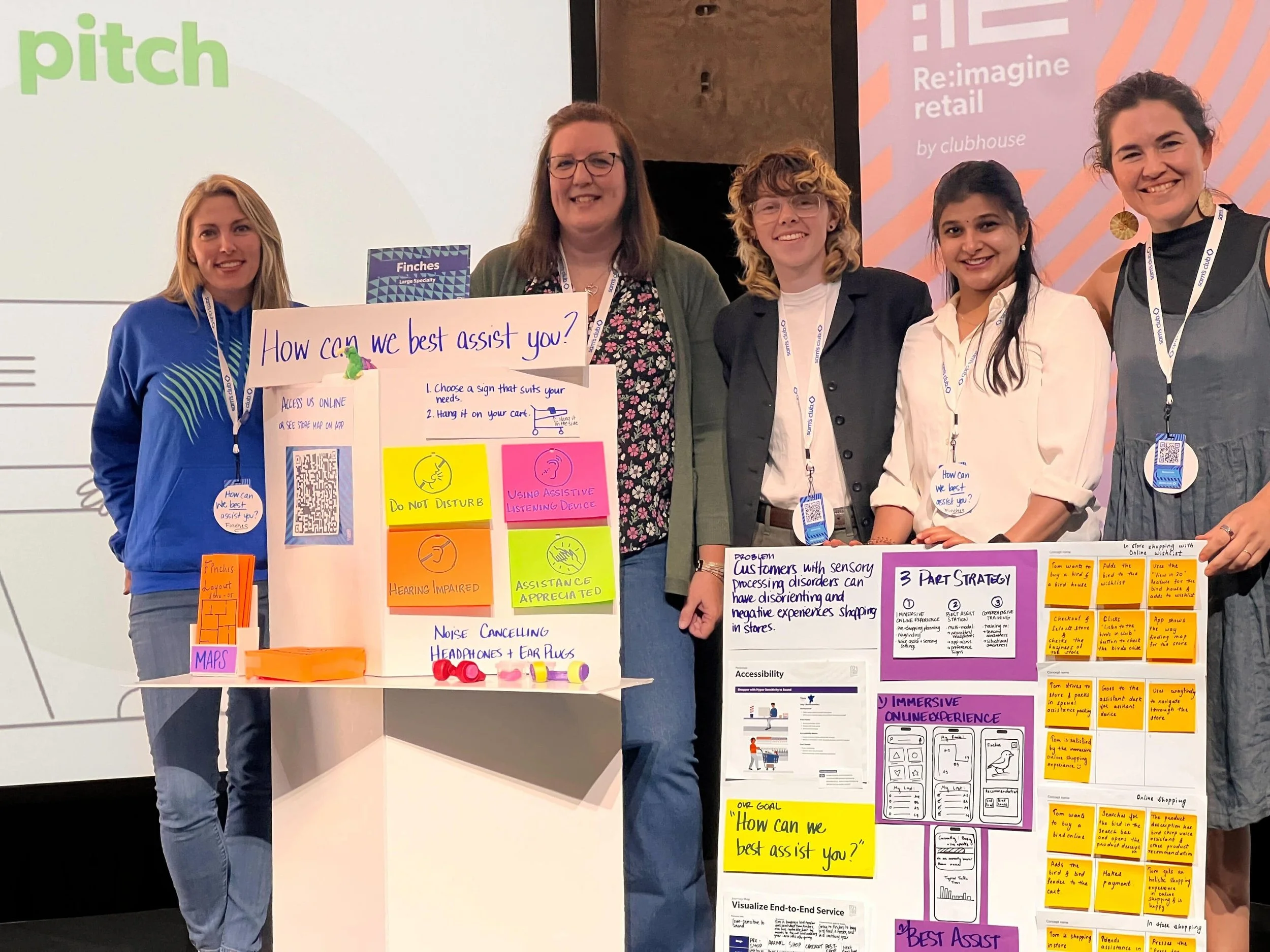
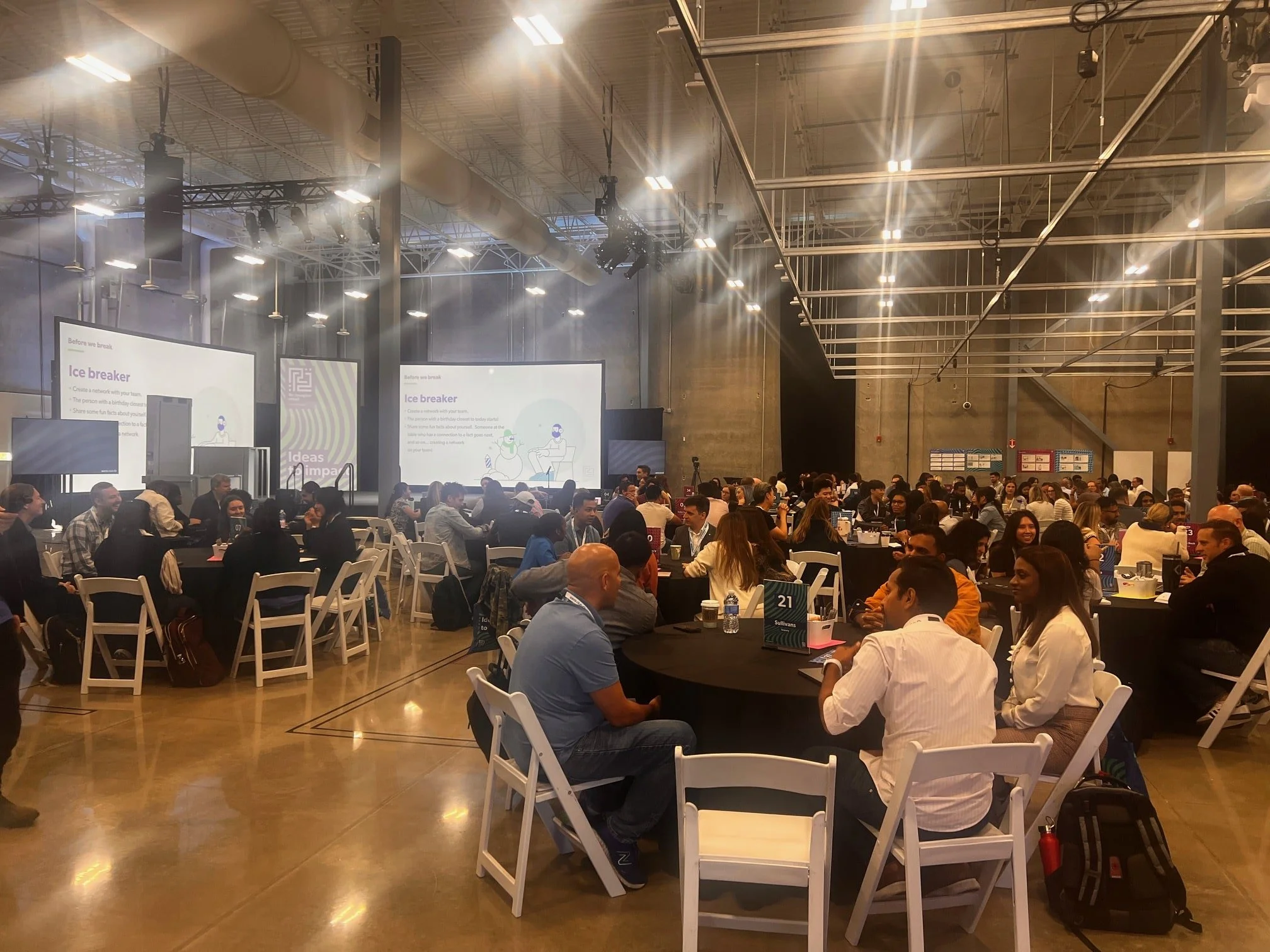
The learning system launched with a large-scale experience at the Re-Imagine Retail conference. I co-designed and facilitated a two-day session for 325 leaders, guiding 35 cross-functional teams through a structured design sprint using the same frameworks later taught in the program.
Five team ideas were selected as winners, creating early momentum and credibility. The event made the learning approach visible, built confidence in the methods, and helped drive enrollment in the training that followed.
-
![Conference emcee and a design leader stand on stage addressing an audience during a retail innovation event, framed by large branded banners.]()
Kicking Off Re:imagine Retail
-
![Team prototyping an idea with foam core and paper materials during a workshop at the Reimagine Retail conference.]()
Team Prototyping Concept
-
![Design thinking exercise using Play-Doh and small building blocks to create duck prototypes on a table during a workshop.]()
Warmup Play-Doh Exercise
-
![One of the winning teams presents a low-fidelity concept to improve the retail experience, standing beside display boards with sketches, notes, and accessibility-focused ideas.]()
Innovation Idea Winners
-
![Wide view of the Re:imagine Retail event showing a large room with dozens of cross-functional teams seated at round tables, with a stage and large presentation screens visible in the background.]()
35 Cross-functional Teams

Learning system design
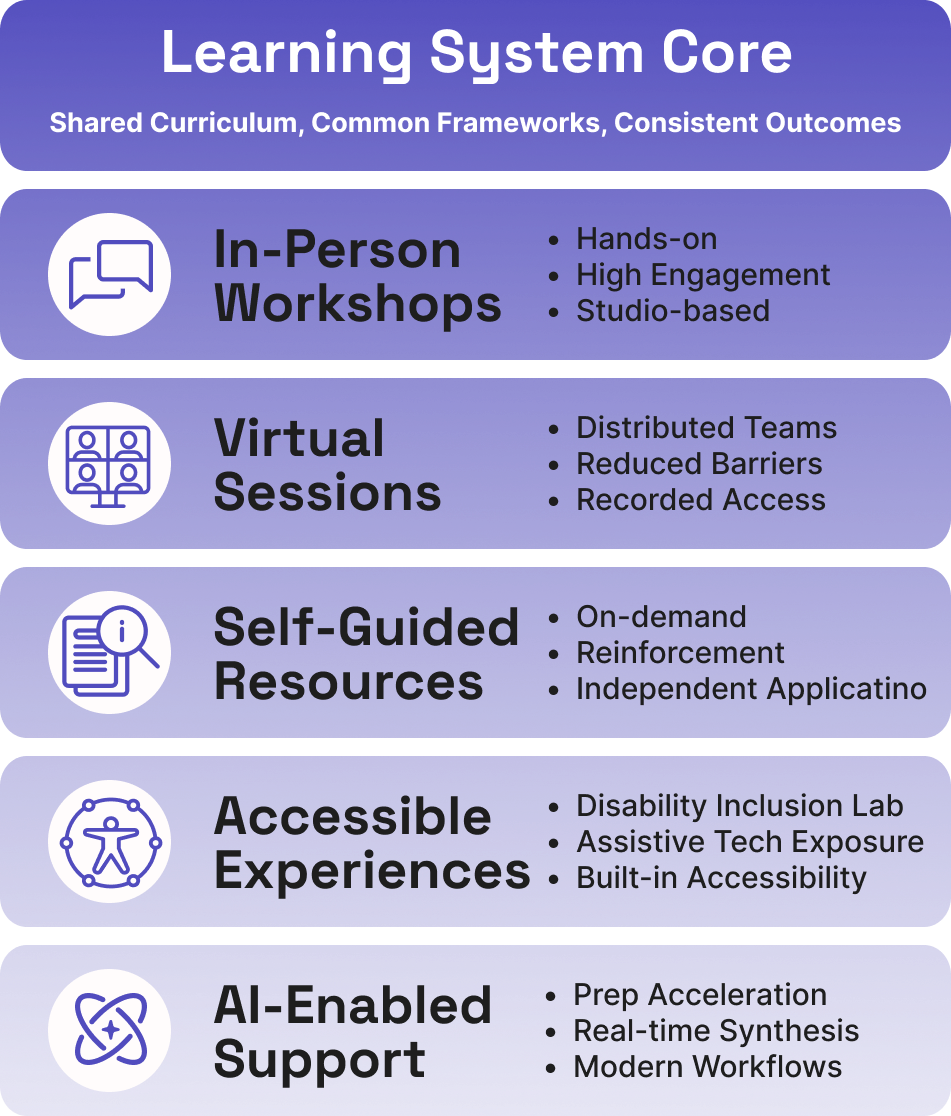
I designed the learning system to move teams from exposure to sustained practice.
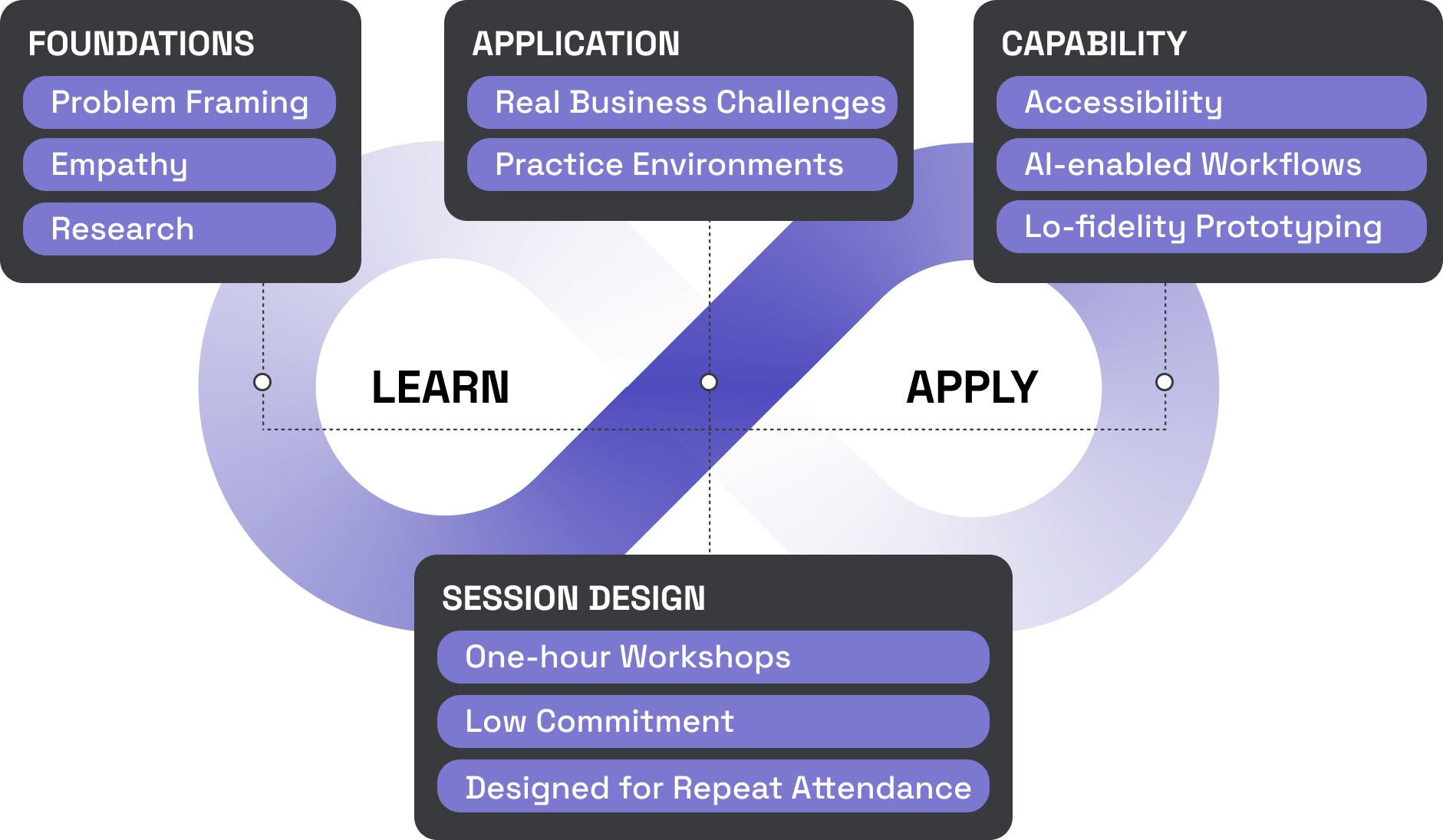
Curriculum architecture
I designed the entire human-centered design curriculum as a modular system rather than a linear course.
Teams could enter the system at different points based on their needs, while shared frameworks preserved consistency. Sessions balanced core design thinking skills with hands-on application, so learning translated directly into real work.
Accessibility and AI-enabled workflows were embedded across the curriculum, not treated as standalone topics.
All sessions were one hour to reduce friction, support repeat attendance, and allow teams to build capability over time without large time commitments.
From training to sustained practice
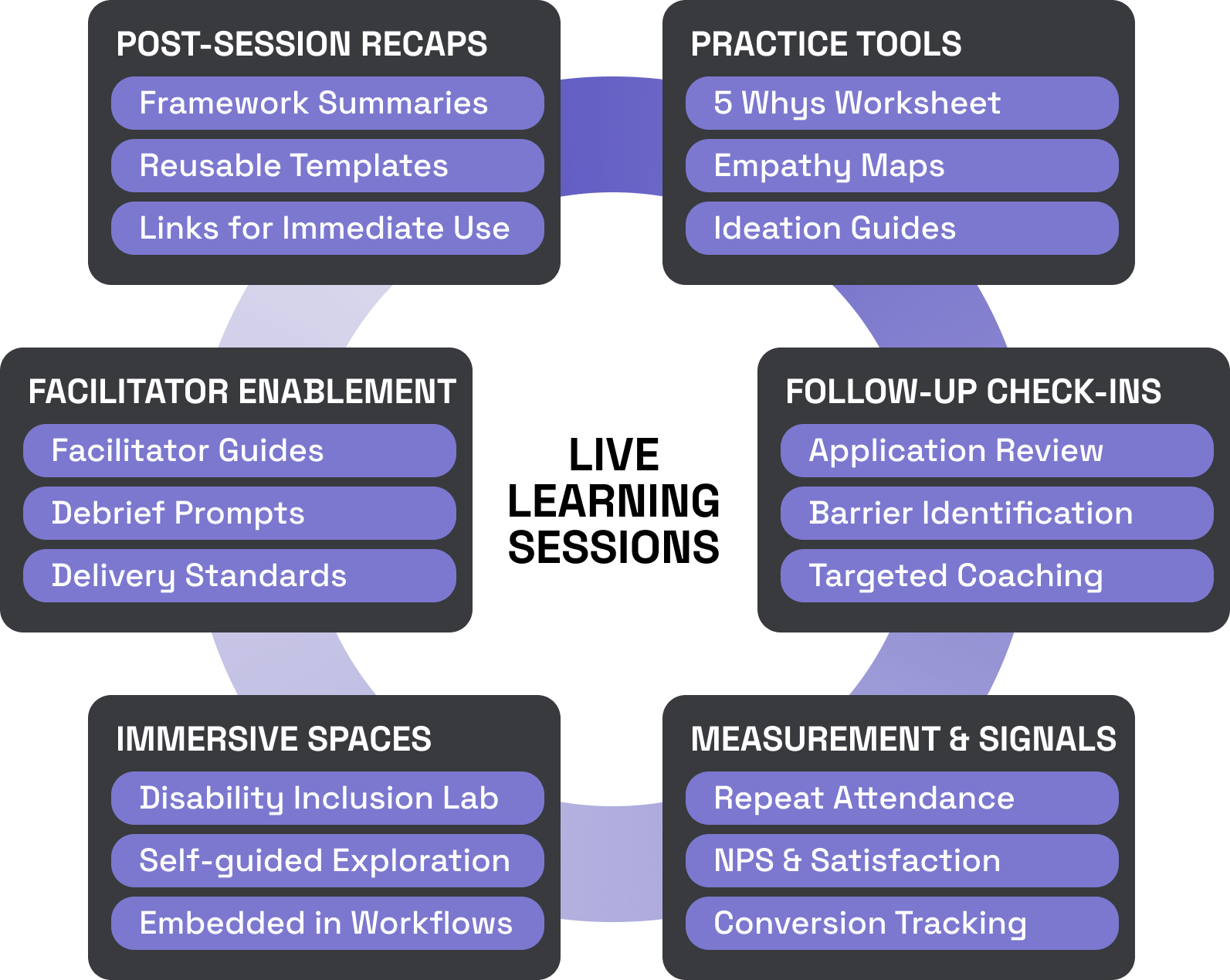
To avoid one-off training, I designed reinforcement directly into the learning system. Learning did not stop when a session ended.
Instead of relying on facilitation, teams were supported before, during, and after sessions so methods could be applied independently.
The system combined:
Practice tools teams could reuse on real work
Post-session recaps that reinforced key frameworks
Facilitator enablement to preserve quality at scale
Follow-up check-ins to remove barriers to application
Lightweight signals to understand what was sticking
Together, these mechanisms reduced dependency on facilitation and supported repeat, self-directed practice across teams.
Inclusive & modern delivery
The learning system was designed to meet teams where they were without changing outcomes or quality.
A shared curriculum and common facilitation standards made it possible to deliver the same learning experience across formats, whether sessions were in person, virtual, or self-guided. Accessibility and AI were built into delivery from the start, not added later, enabling broader participation and more efficient facilitation.
This approach removed location, ability, and time barriers while preserving consistency across the enterprise.
-
![]()
“As new Product Manager, it’s been invaluable for building empathy with our associates and members while driving innovation.”
Brandon Petersen — Product Manager, Sam’s Club
-
![]()
“The team has been saying all week yours was their favorite session of Associates Week. They have continually brought back the themes and discussed the impact of design thinking.”
Deena Oden — Senior Manager, Associate Experience, Walmart
-
![]()
“From each session I’ve completed at the Clubhouse I’ve been motivated and re-energized each time, leaving me looking forward to the next opportunity.”
Cody Fowler — Senior Manager, Real Estate, Sam’s Club
-
![]()
“Jennifer embeds design thinking into both how we work and how participants learn. Her facilitation empowers teams to apply the frameworks in real, practical ways.”
Jamila Evilsizor — Staff Design Researcher, Sam’s Club
-
![]()
“Through Jen's guidance, the Gen AI session shifted our thinking beyond simply serving existing members to exploring opportunities to actively convert new ones. It was a focused and inspiring experience that surfaced possibilities I hadn’t previously considered."
Hao Li — Staff Product Designer, Sam’s Club


What Scaled Forward
The learning system was designed to support repeat use, not one-time participation. While direct measurement of day-to-day behavior was limited, several signals showed what scaled beyond facilitation.
Repeat attendance across multiple sessions
Ongoing use of shared tools and templates
Consistent NPS and satisfaction across delivery formats
Facilitators and partners delivering sessions using shared materials
Accessibility and AI practices embedded into ongoing workflows