
Community Learning & Mentorship
Role: Chapter Founder & Program Architect (SheSays Chicago) | VP, Mentorship & Program Strategy (AIGA Chicago)
Scope: Community building → curriculum design → facilitator enablement → sustained engagement
Building inclusive volunteer learning systems serving 3,500+ creative professionals
Impact at a Glance
-
Built SheSays Chicago from zero to 2,500+ members
becoming one of the largest chapters through volunteer-led event systems
-
200+ designers per year
through AIGA mentorship program (doubled from 100/year pre-expansion)
-
300+ experts engaged
as speakers across events spanning panels, workshops, roundtables, and community gatherings
-
Sold out consistently
with events filling 50-200 person capacity within 24 hours at each organization
The Problem
Creative professionals needed structured mentorship and skill development, but volunteer organizations lacked the systems, inclusive programming, or scale to deliver it effectively.
What was breaking
When I was promoted to Creative Director, I learned that only 3% of creative directors were women. I looked for mentorship programs to help me navigate leadership and found nothing in Chicago that served women at my career stage.
Existing programs were limited
Mentorship programs served around 50 people per cohort, focused primarily on early-career designers
Programming was siloed by discipline (traditional design vs. digital/UX)
No inclusive systems for recruiting diverse mentors or serving multiple career stages
What was at risk
Talented professionals would advance slower without structured guidance, and volunteer organizations would remain unable to scale impact beyond individual organizers' heroic effort.
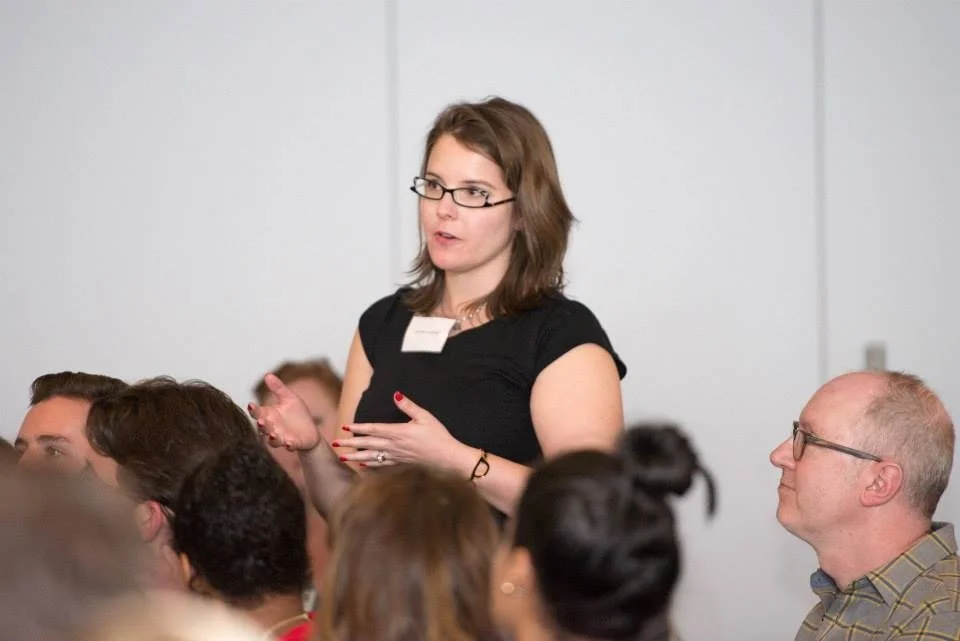
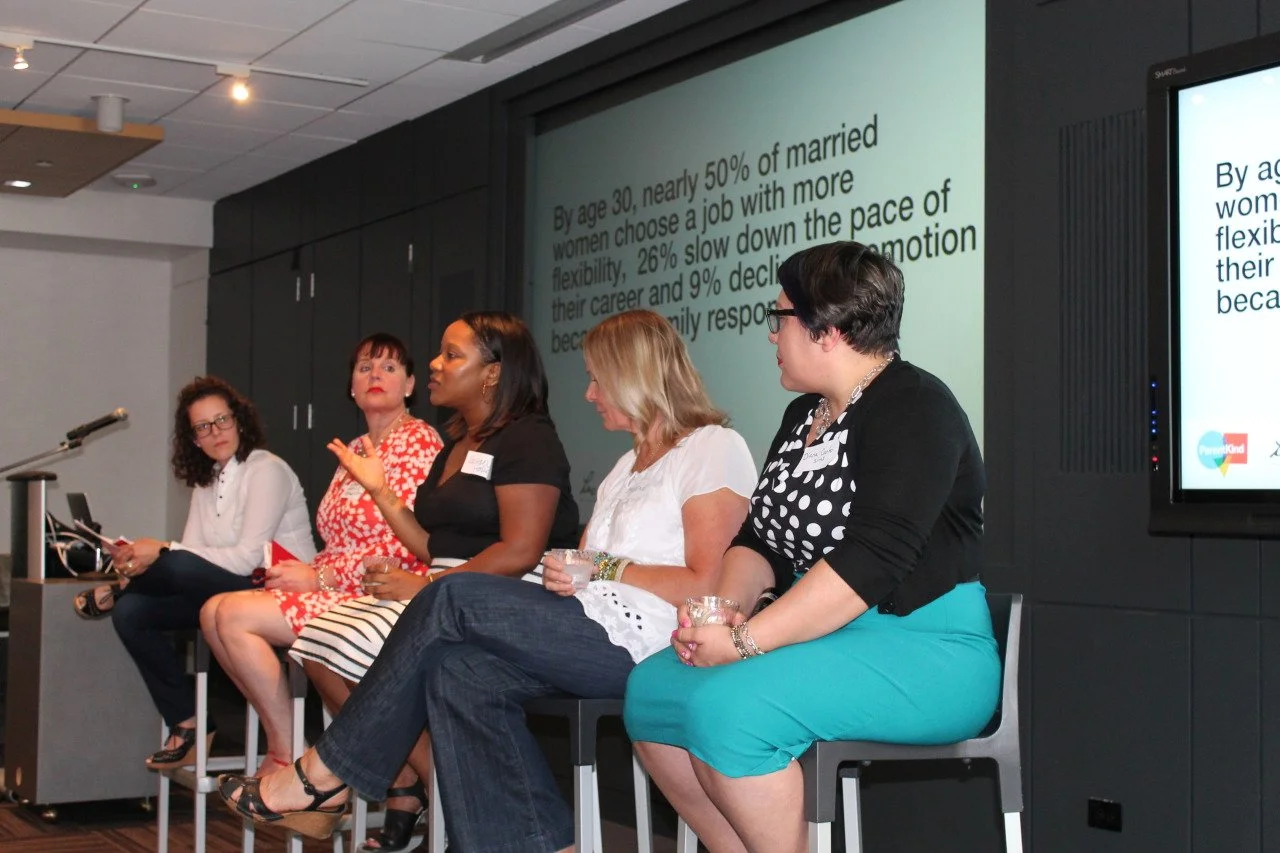
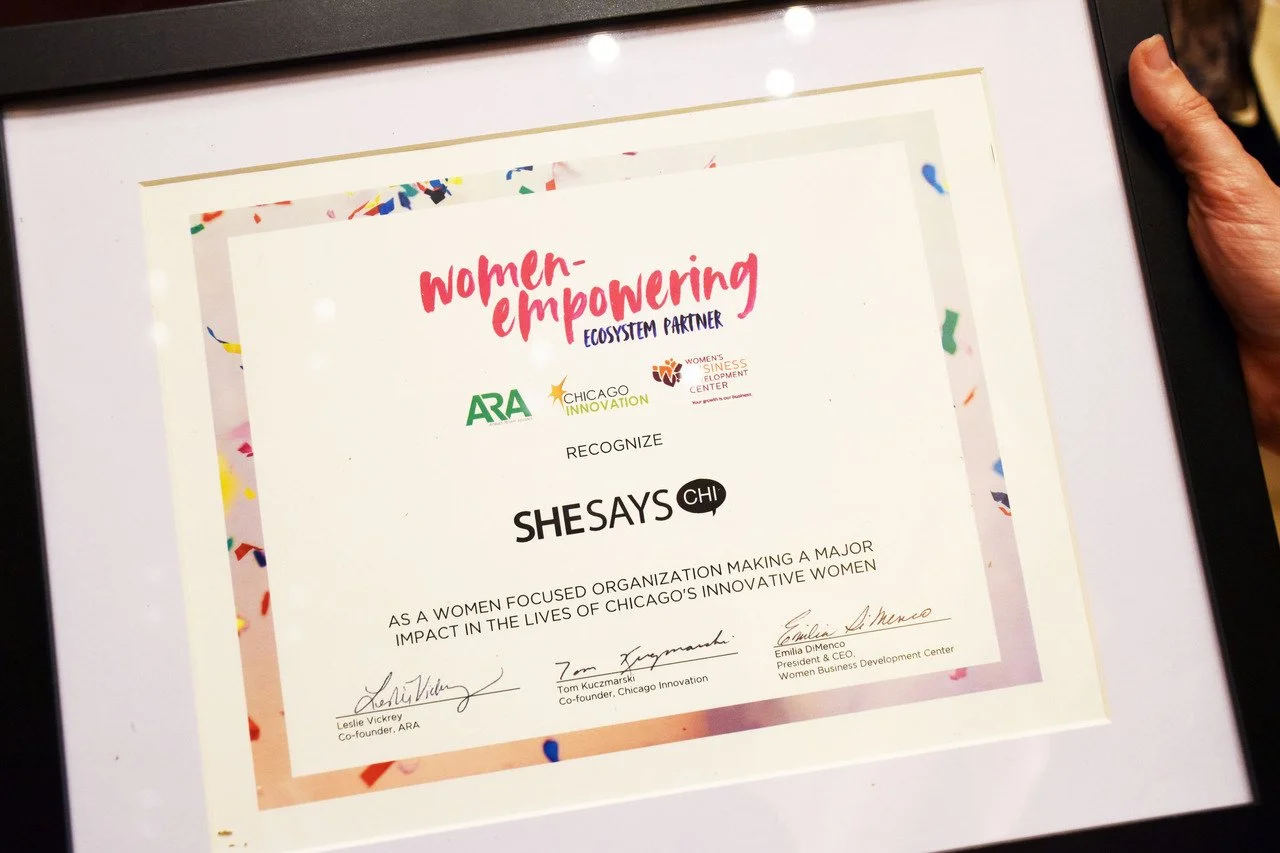
I founded SheSays Chicago after discovering the international network had no Chicago presence. For 10 years, I designed and led all aspects: strategy, execution, logistics, sponsorship, marketing, event planning, speaker management, and volunteer coordination.
The growth: Zero to 2,500+ members, becoming one of the largest SheSays chapters globally.
The model: Free events that sold out within 24 hours, with members returning across multiple years proving sustained engagement without budget or staff.
Building from Zero: SheSays Chicago

What I built:
Inclusive programming systems:
Built intentional speaker selection ensuring representation across race, gender, professional background, and career stage as structural practice, not afterthought.
Workshops on inclusive leadership and workplace equity
Intentional systems ensuring diverse speaker lineups across all dimensions
Male champions included in conversations
Community building experiences:
Created leadership development programming and flagship events that sustained engagement across multiple years.
International Women's Day flagship events (200+ attendees, co-hosted by Leo Burnett)
Panel discussions on career pathways, mentor roundtables, and industry expert talks
Women Makers markets and partner events exploring leadership across sectors
Volunteer management systems:
Recruited and coordinated teams to handle logistics and event execution without relying on individual heroics.
Built frameworks volunteers could follow independently
Coordinated logistics, speaker management, and event execution
Learned to identify and remove volunteers who weren't mission-aligned
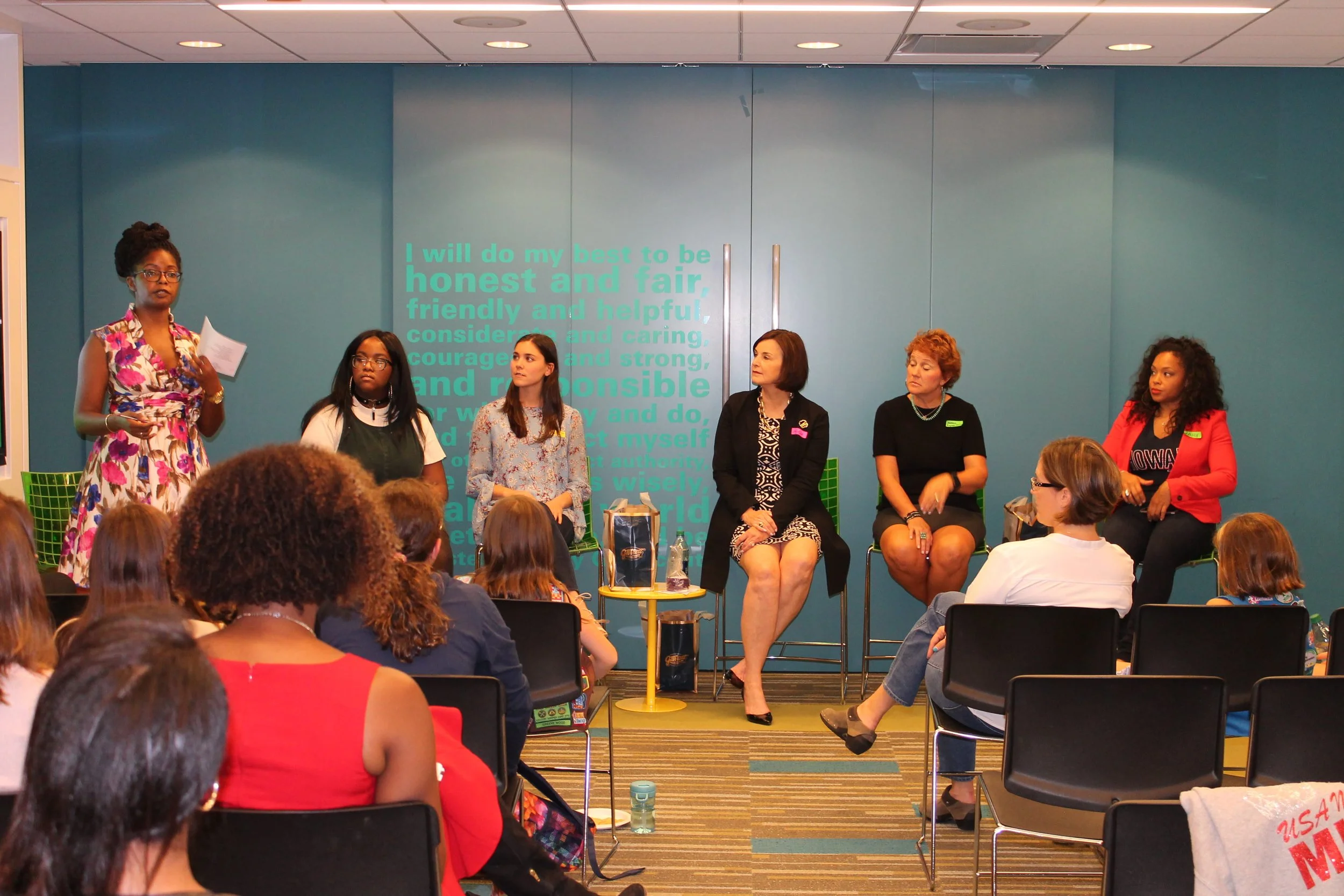
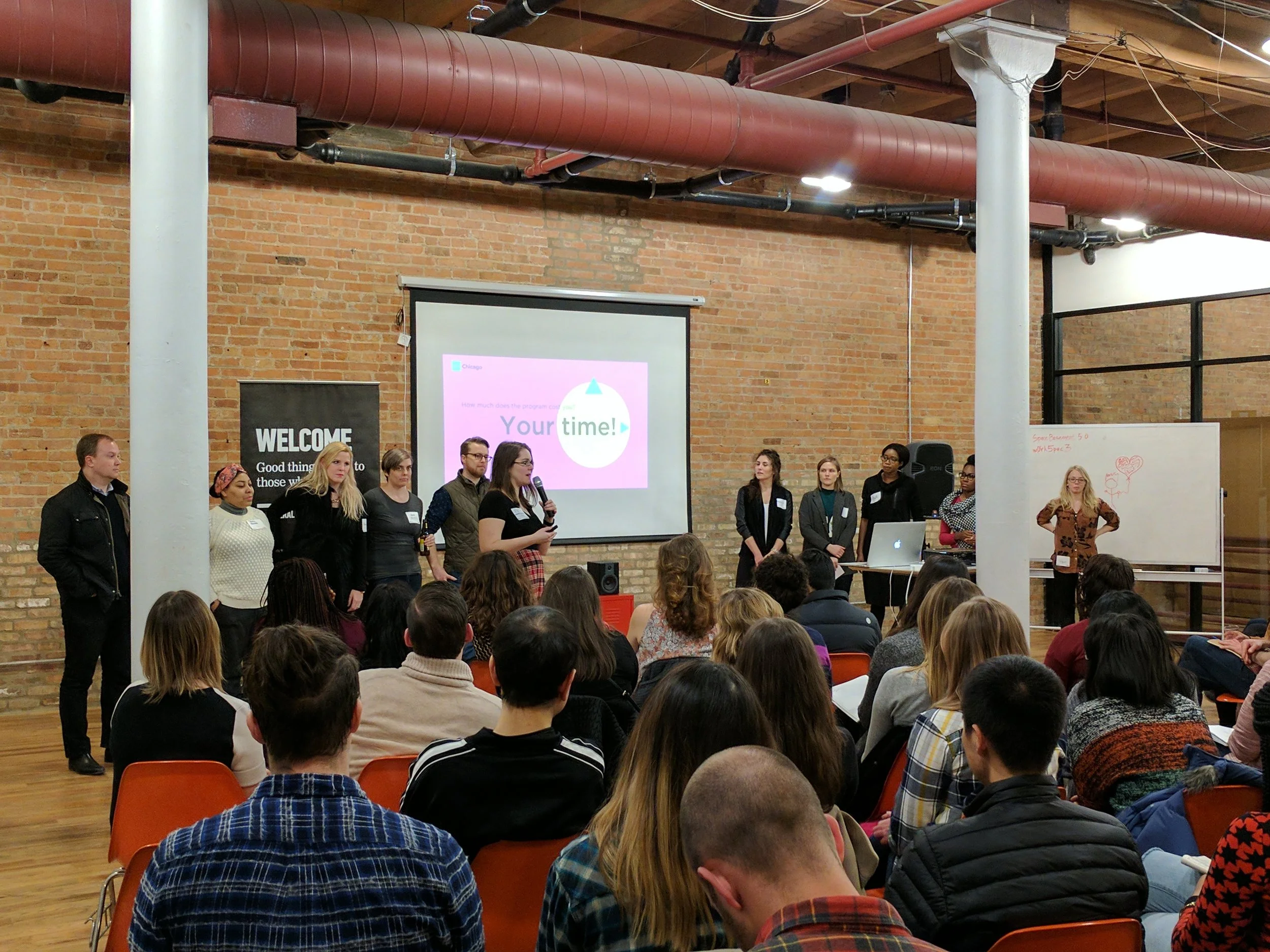
Finding Your Voice hosted by Girl Scouts
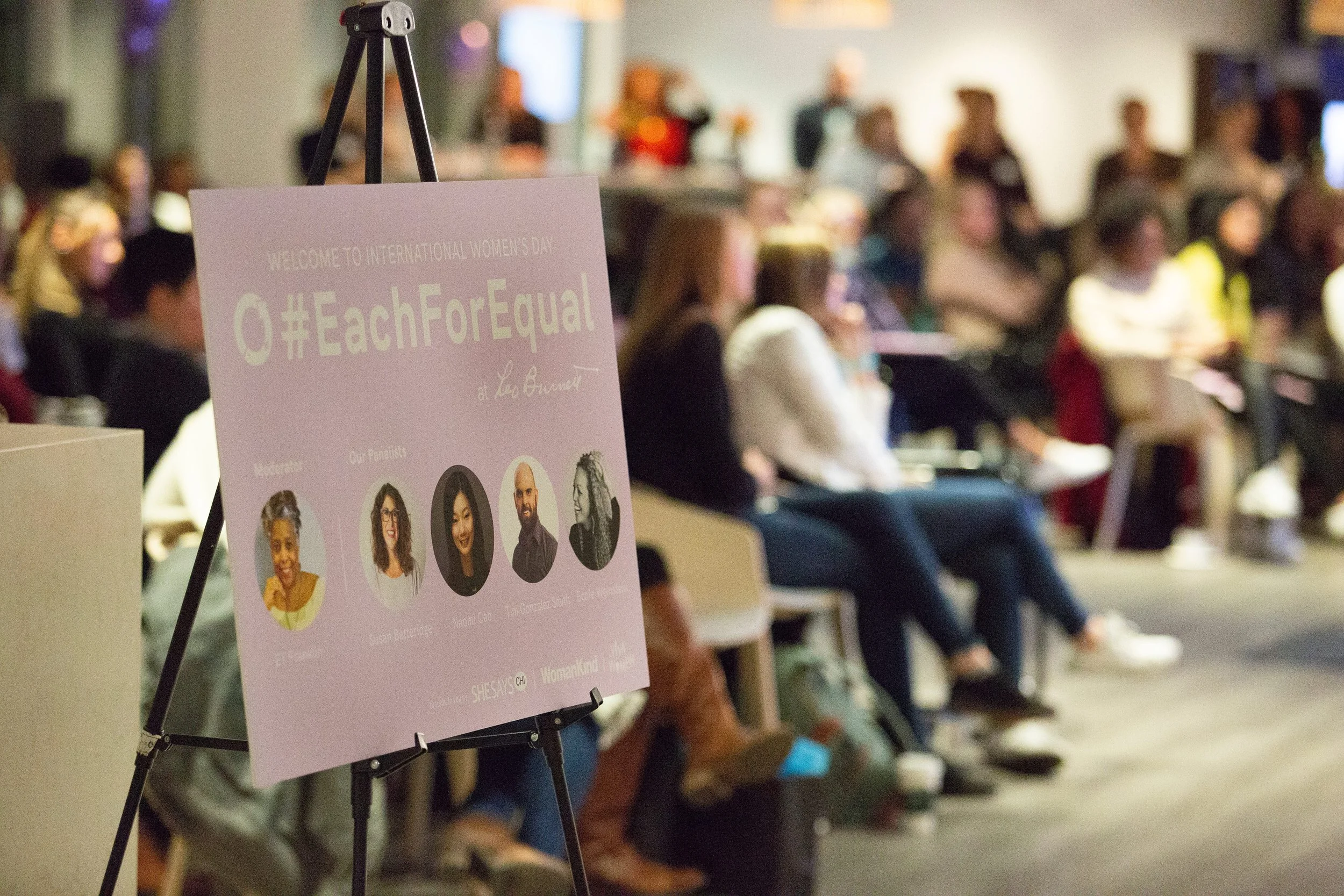
Each for Equal hosted by Leo Burnett
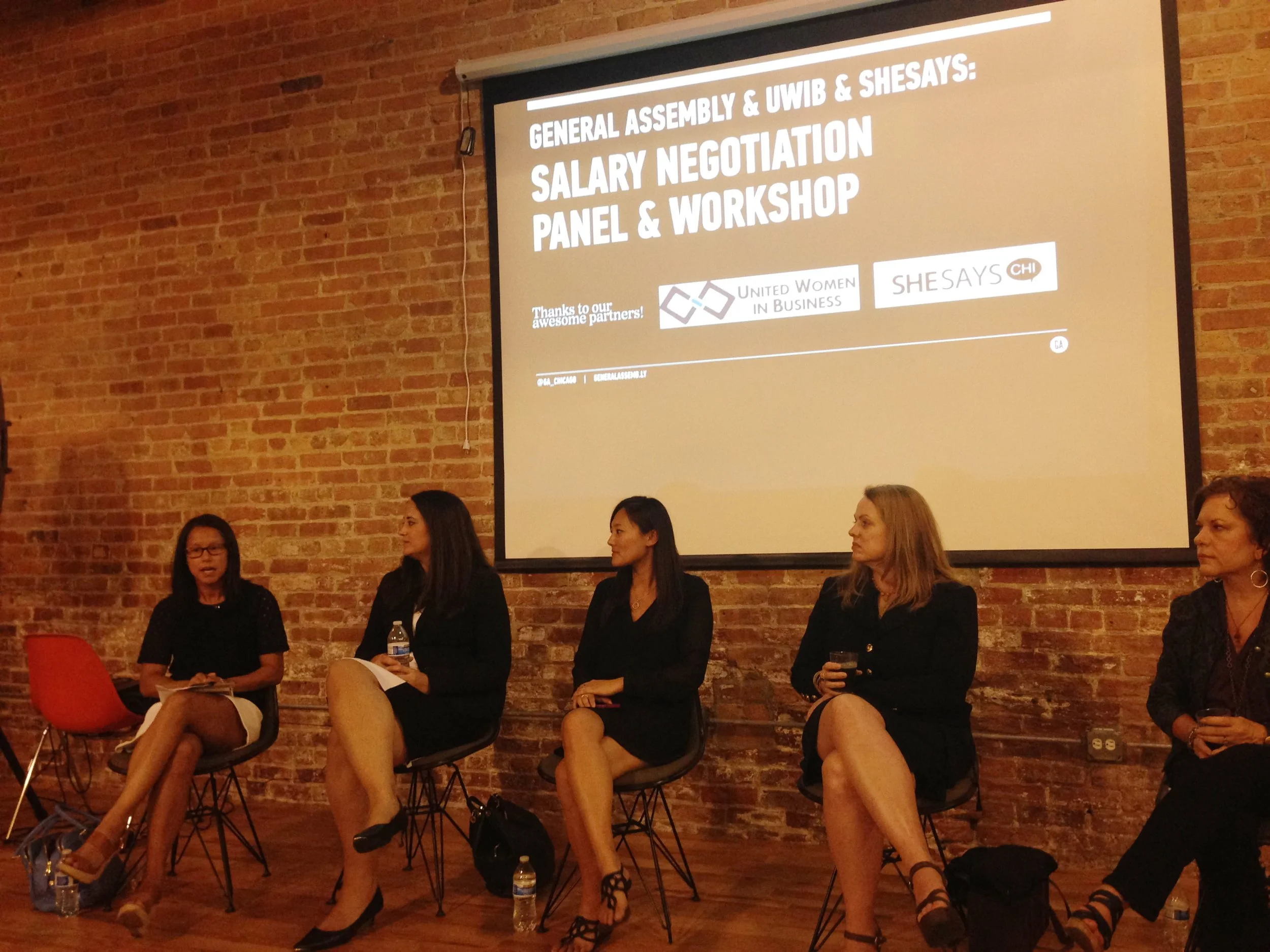
Salary Negotiation hosted by General Assembly
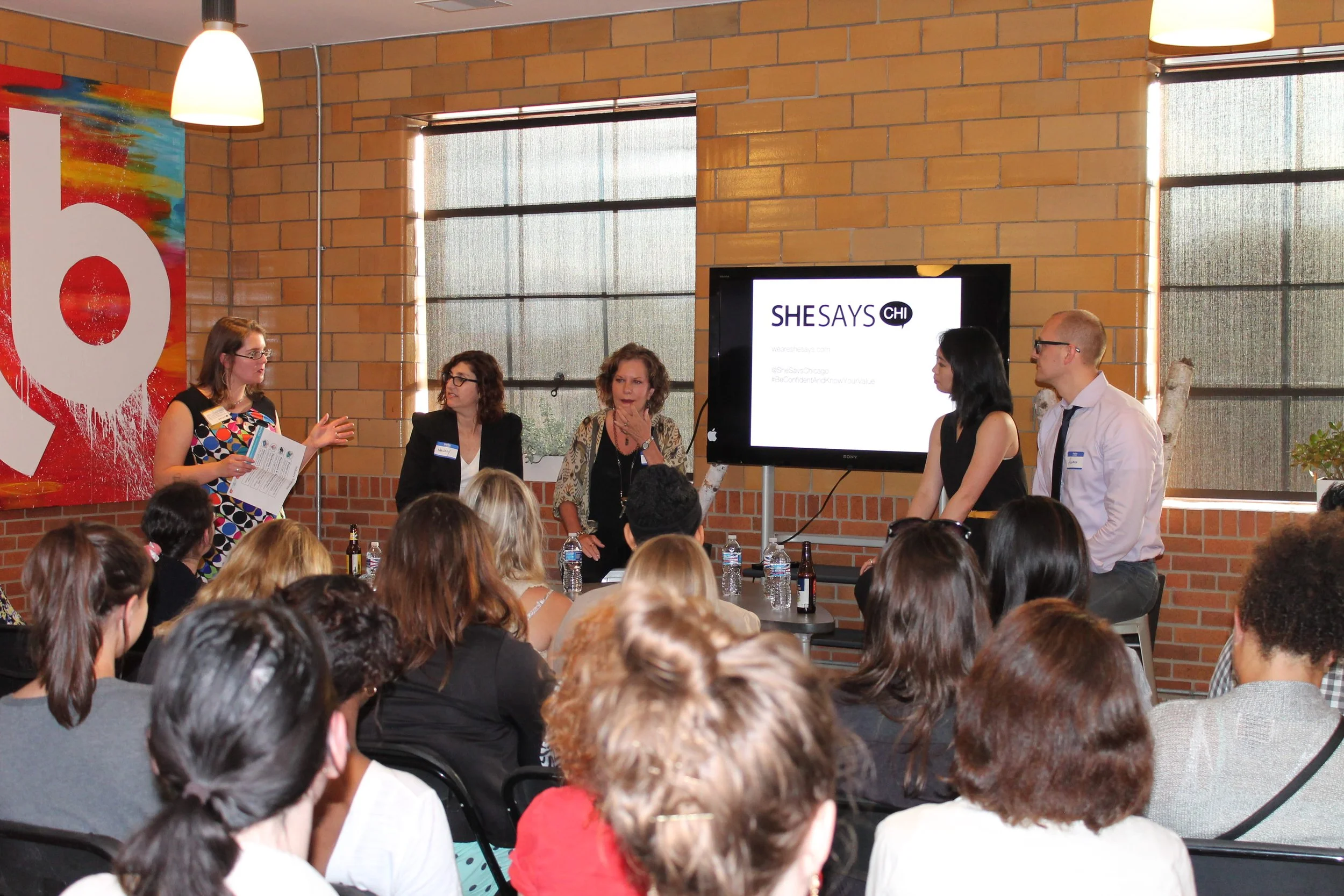
Be Confident and Know Your Value hosted by Devbridge
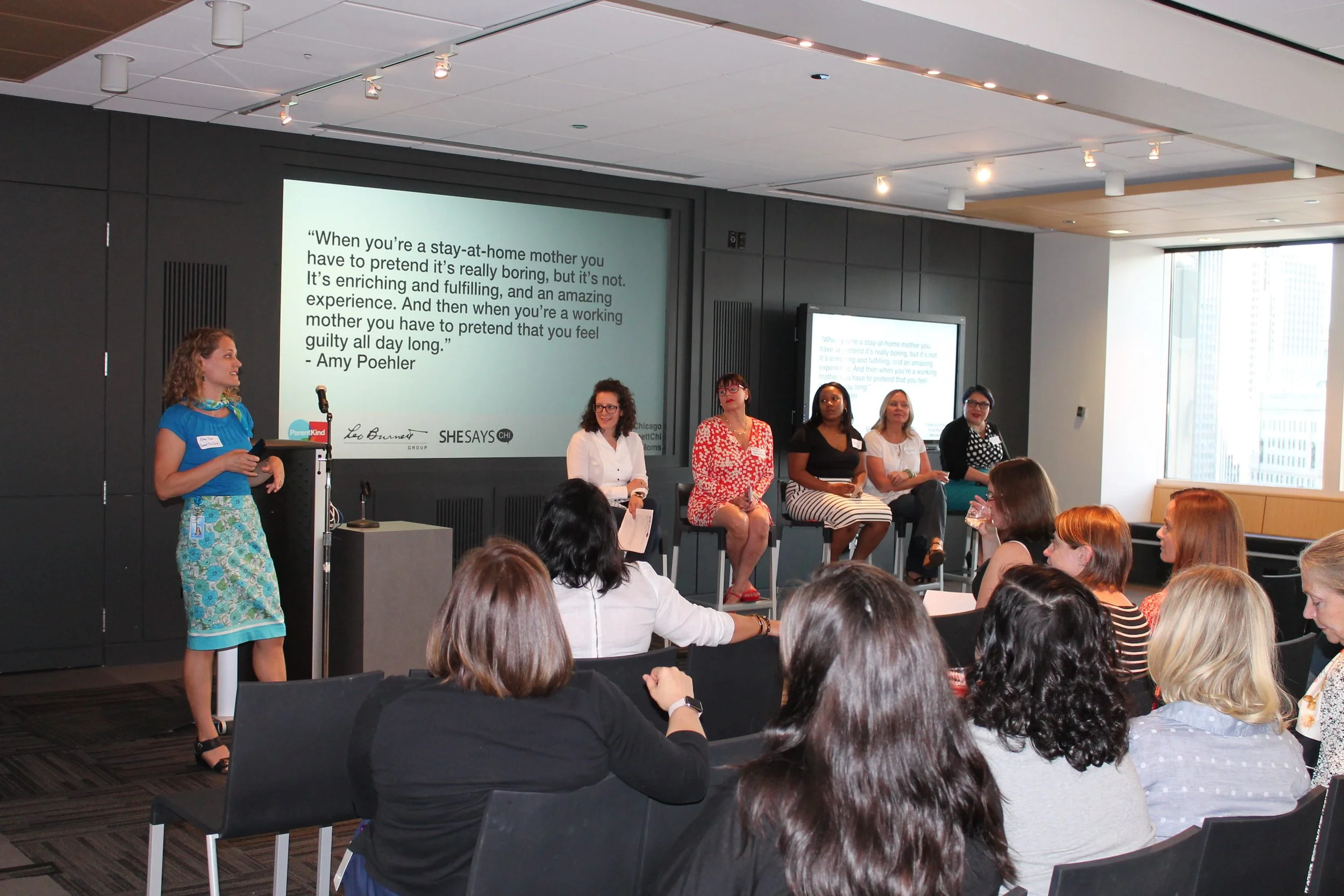
Motherhood and Advertising hosted by Leo Burnett
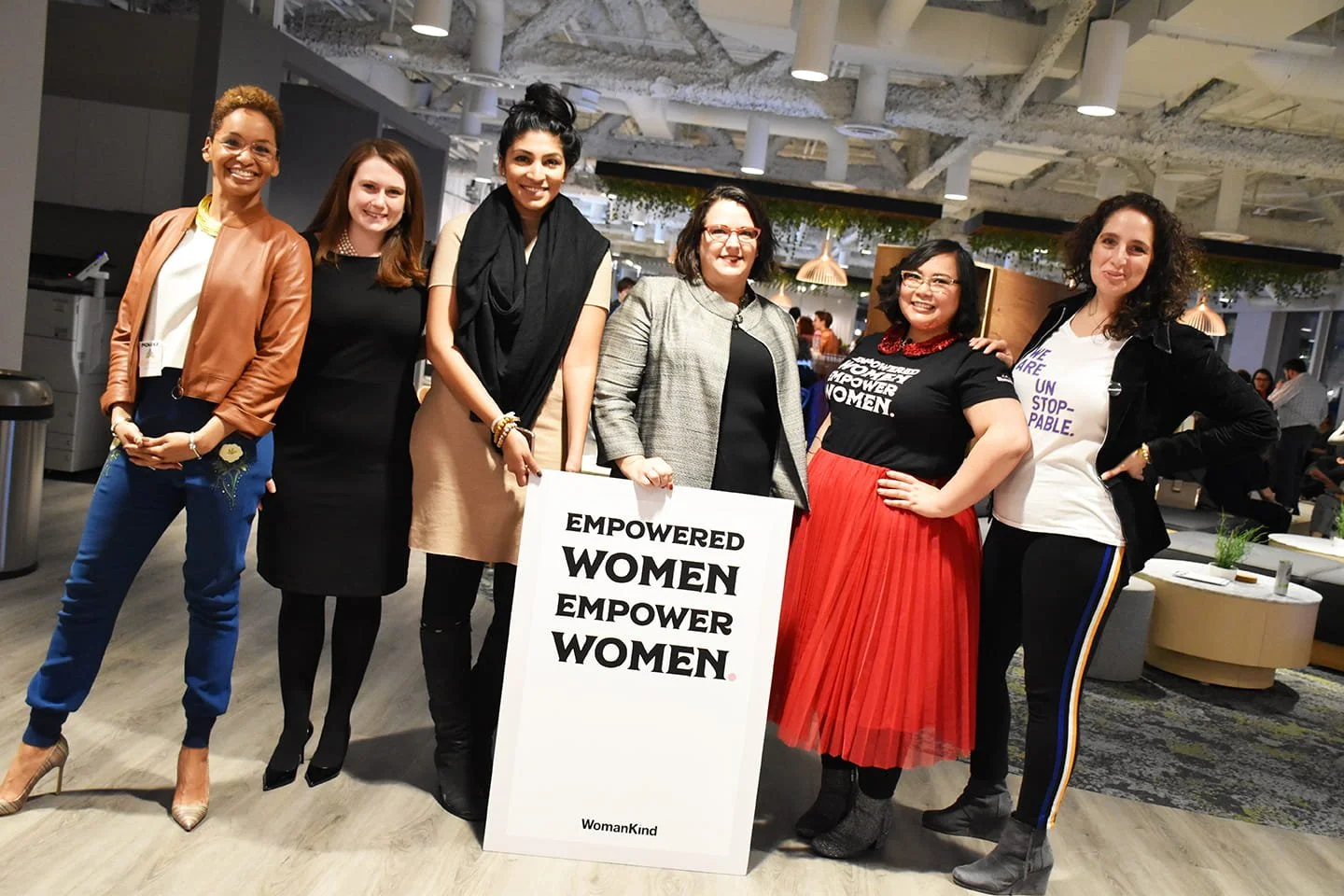
International Women's Day at Leo Burnett

Making Good hosted by Greater Good Studio
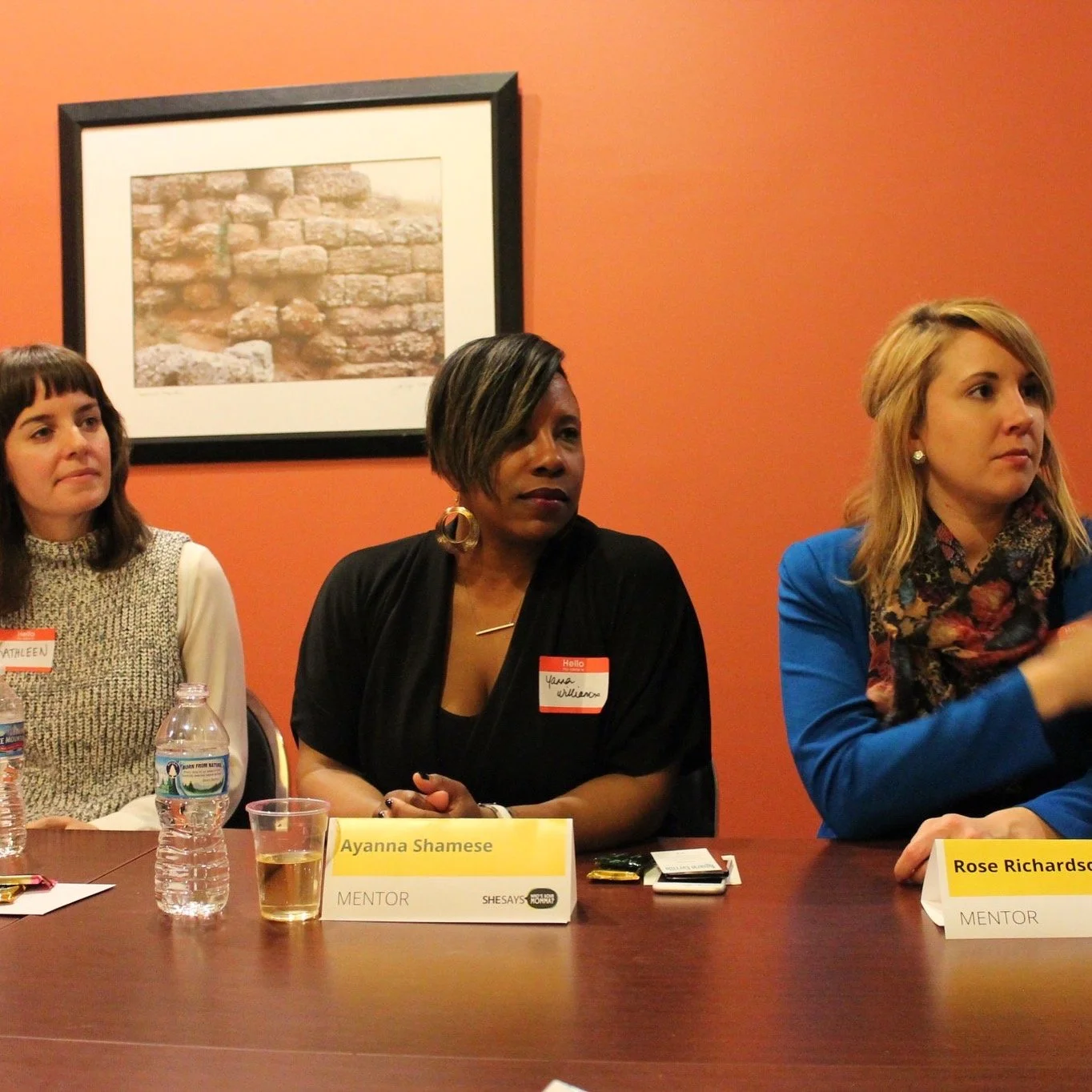
Mentor Round Tables hosted by Ascend Training
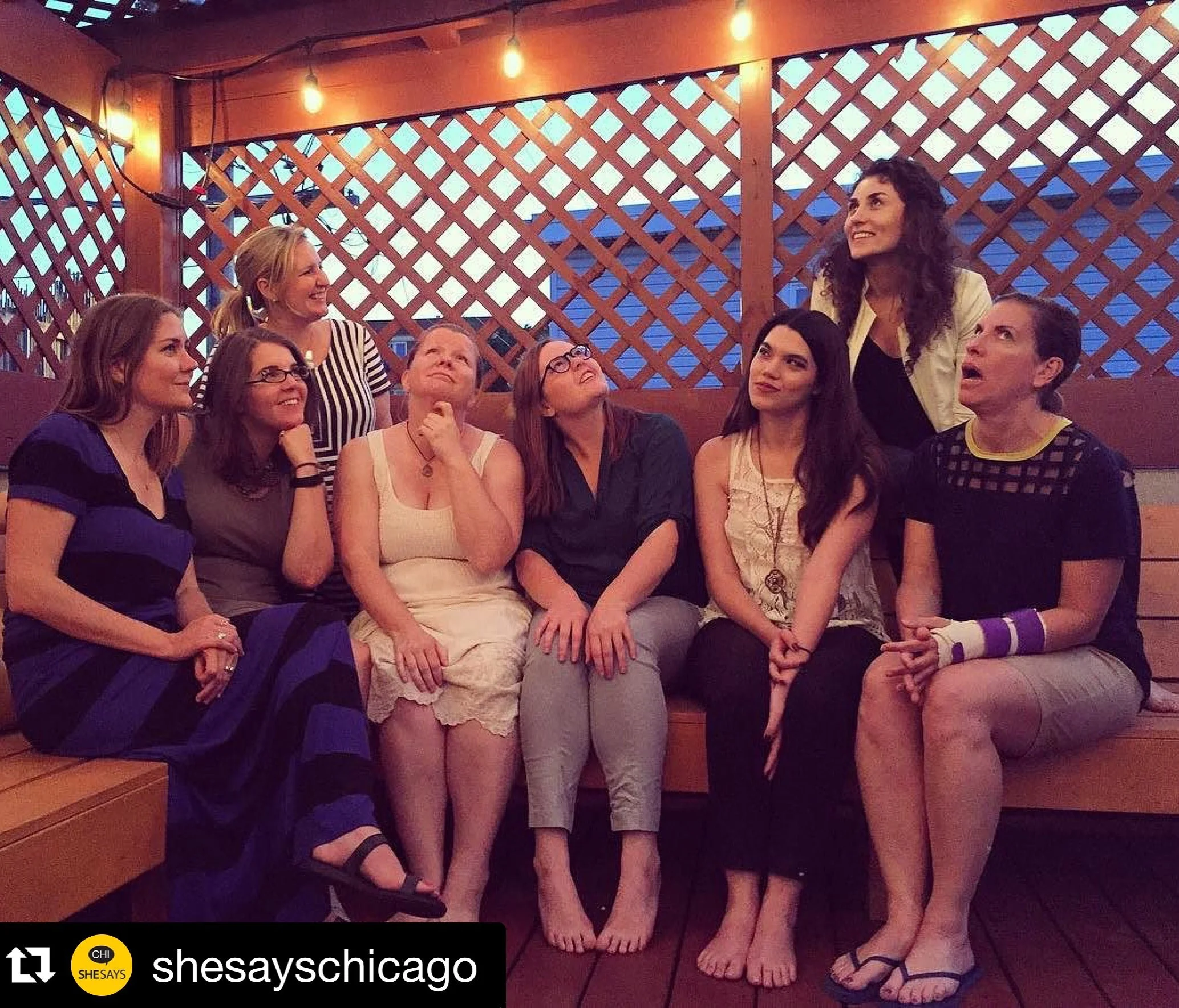
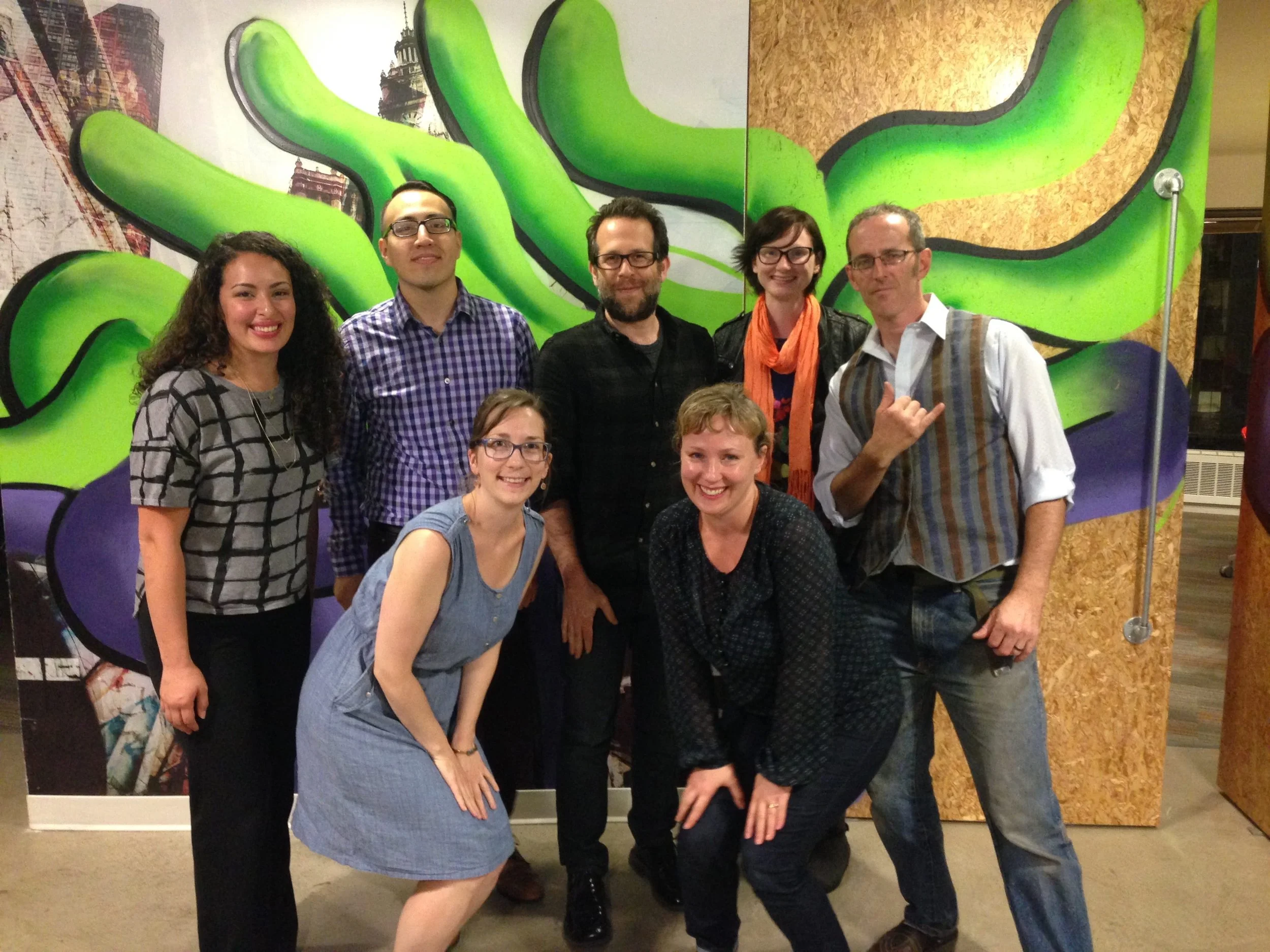
SheSays Chicago Team
Scaling Existing Programs: AIGA Chicago
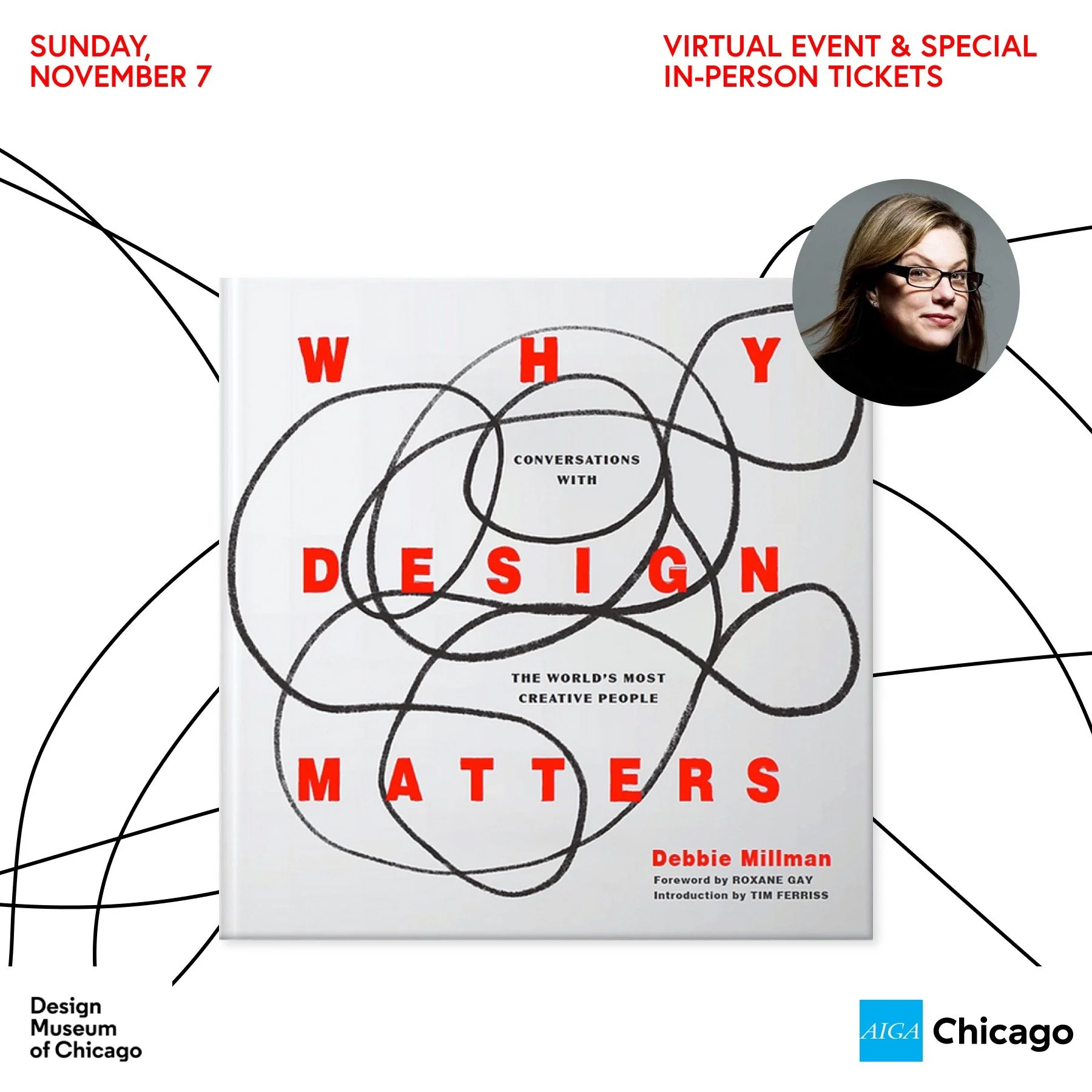
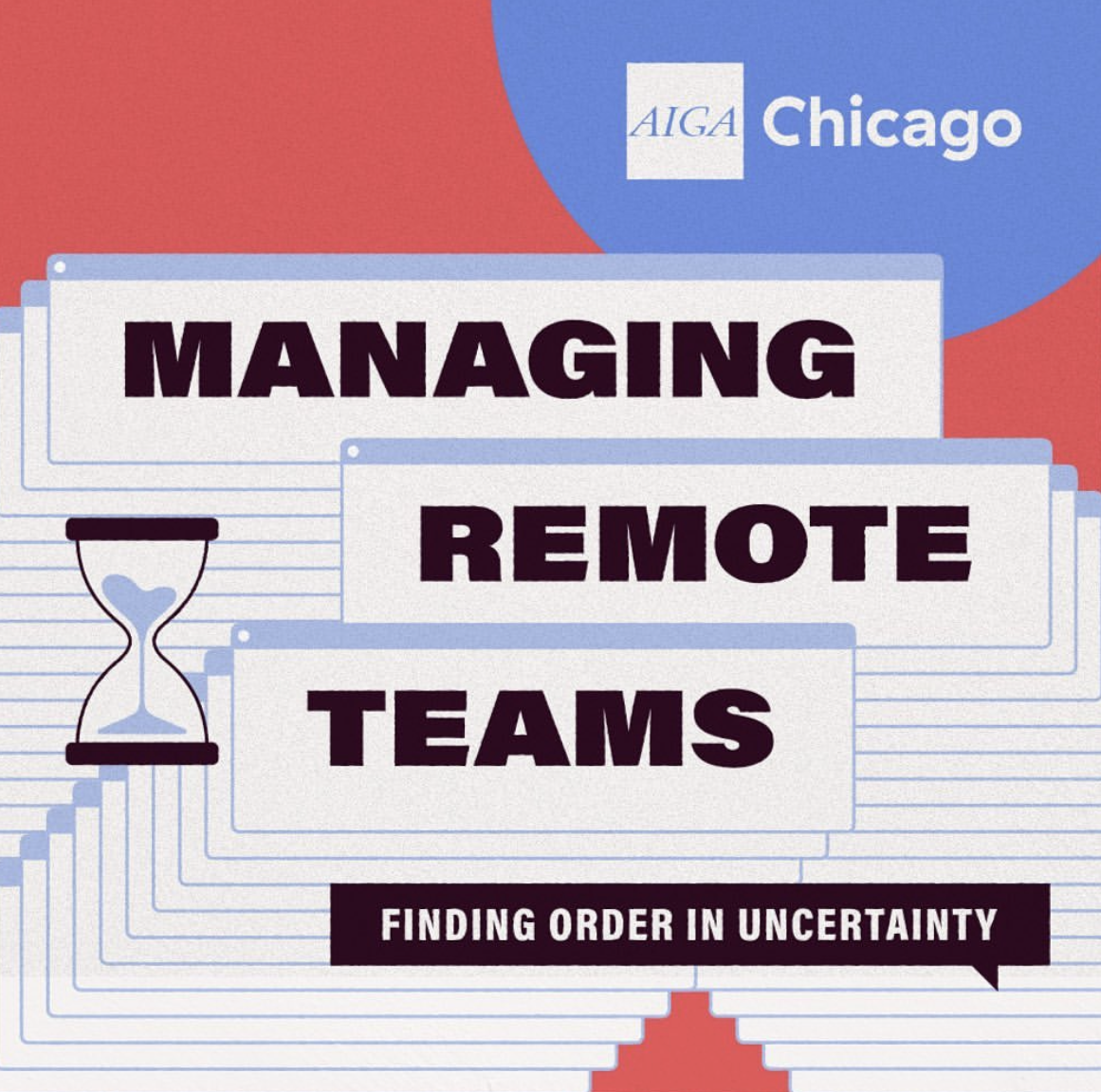
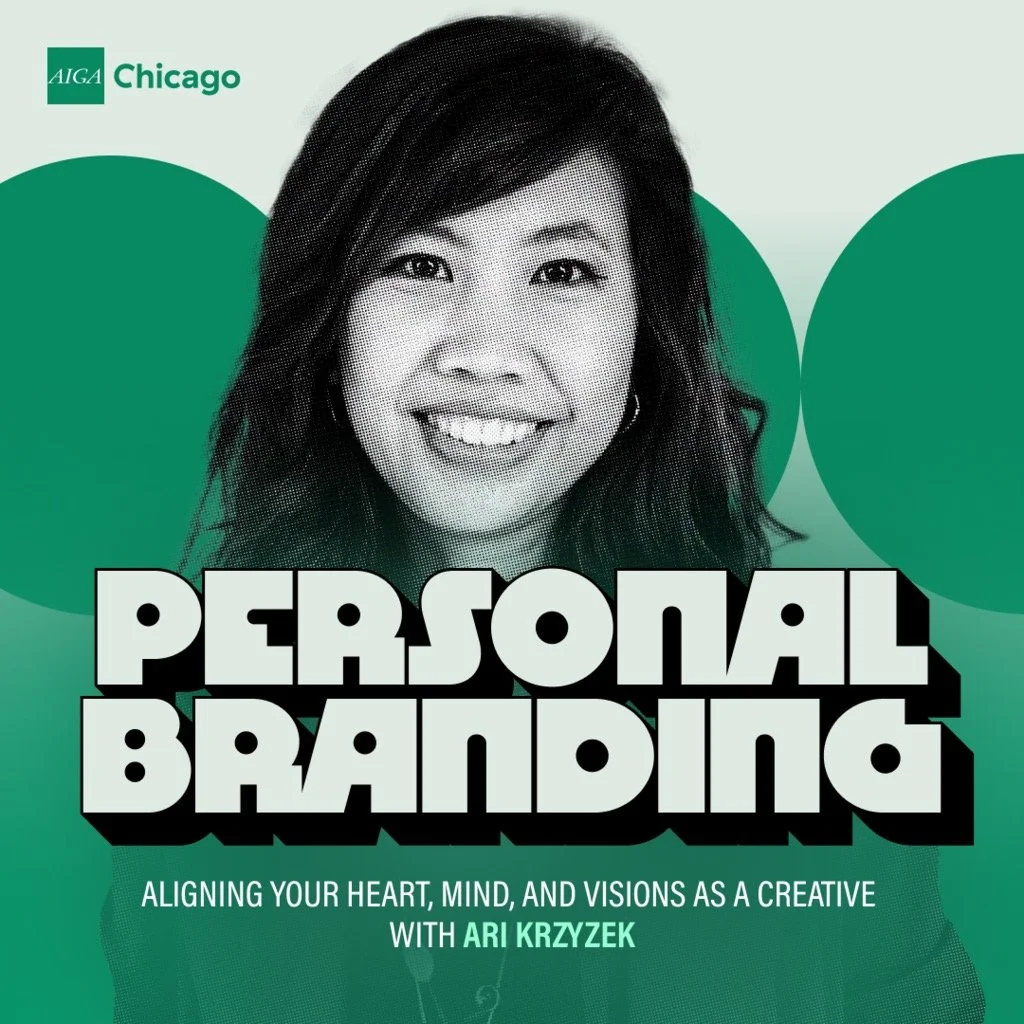
After building SheSays, AIGA Chicago recruited me to bring the same community-building approach to their organization.
I served six years as a VP-level board member: three years leading Mentorship, three years leading Program Strategy.
During my mentor tenure, I spoke at the National AIGA Convention on how to build better mentorship to help other chapters scale or start their programs.

What I built:
Strategic repositioning:
AIGA was often perceived as a traditional design organization disconnected from where designers were going: UX, digital product, and leadership roles.
Expanded mentorship beyond early-career to serve all stages
Introduced UX and leadership programming alongside traditional design
Built cross-functional collaboration across siloed board teams
Mentorship program expansion:
Doubled program size immediately from 50 mentees per cohort to 100 mentees with 12-15 mentors, twice yearly.
Recruited mentors across specialized tracks: portfolio, leadership, UX, collaborative projects
Designed blended format alternating small team weeks with all-hands sessions (120 people)
Partnered with agencies and design teams for hands-on learning experiences
Served 600+ designers across 3 years leading the program
Programming built:
Created programming valuable across career stages and disciplines, not just one segment.
Industry expert talks and accessibility deep-dives
Career development workshops and portfolio reviews
Emerging designer spotlights and alumni showcases
Remote sessions during COVID transition
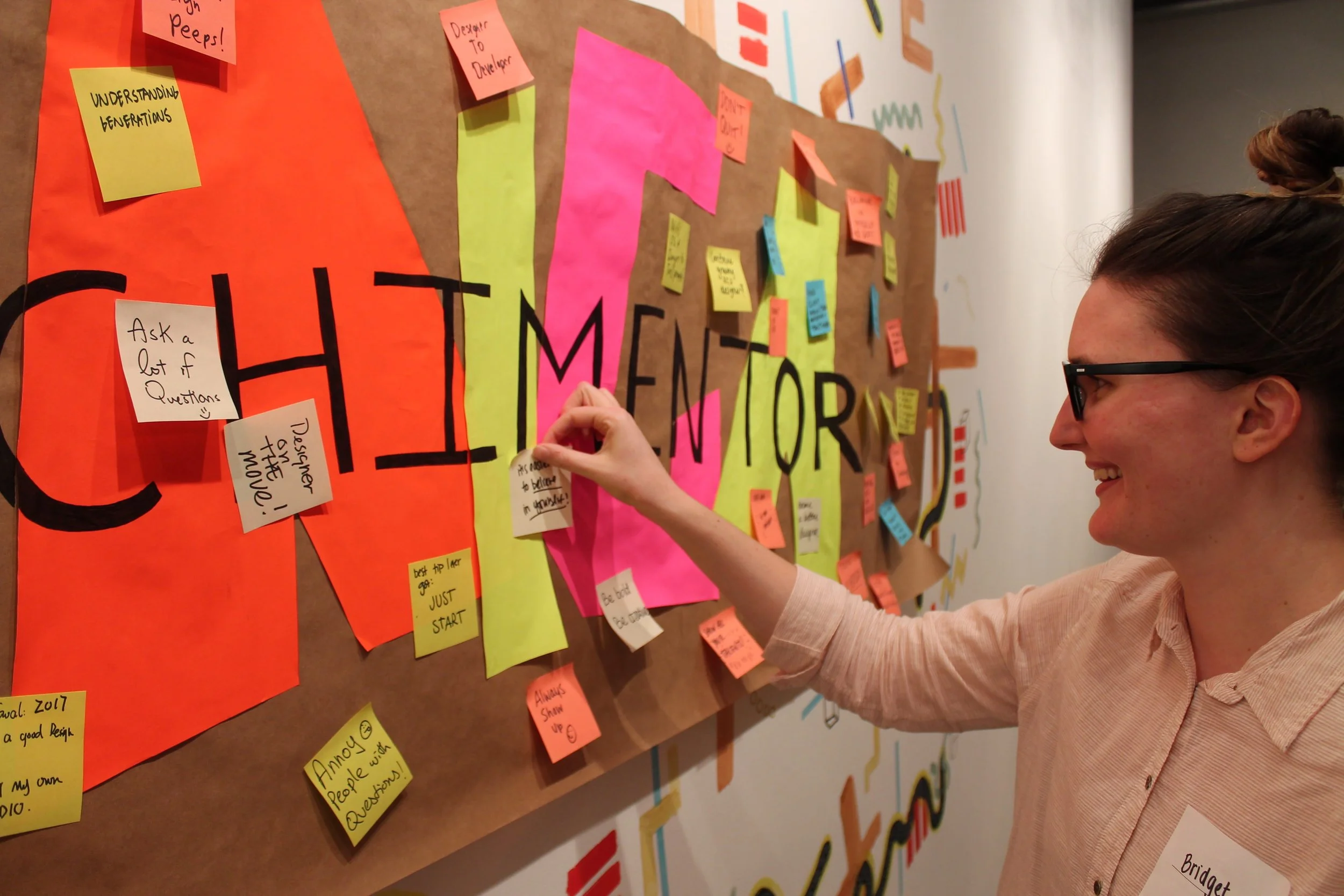
Mentor Program Success Wall
Mentor Program Kickoff at General Assembly

Mentor Group Collaborative Poster Project
Mentor Group Tour at Digitas
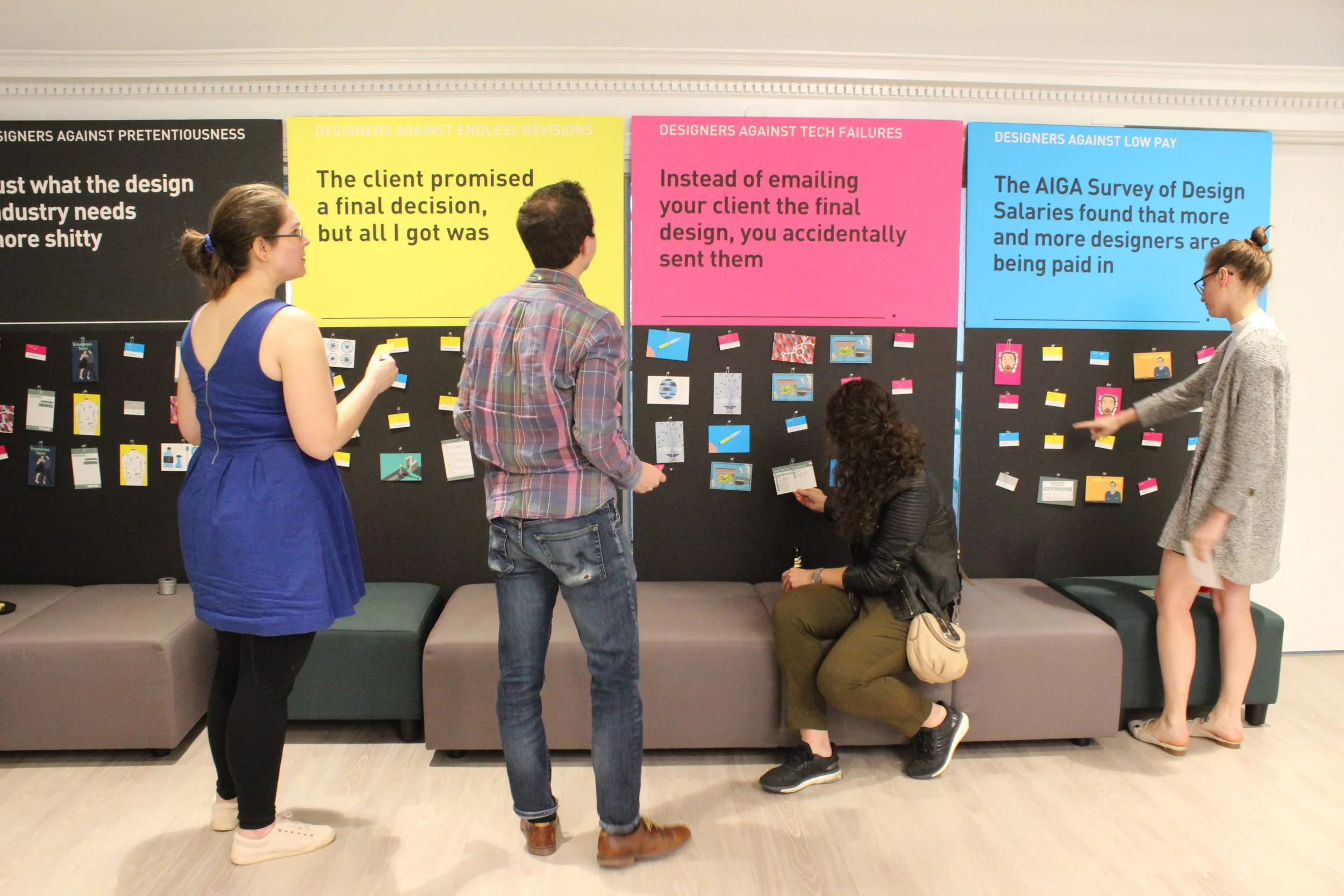
Mentor Group Collaborative Installation
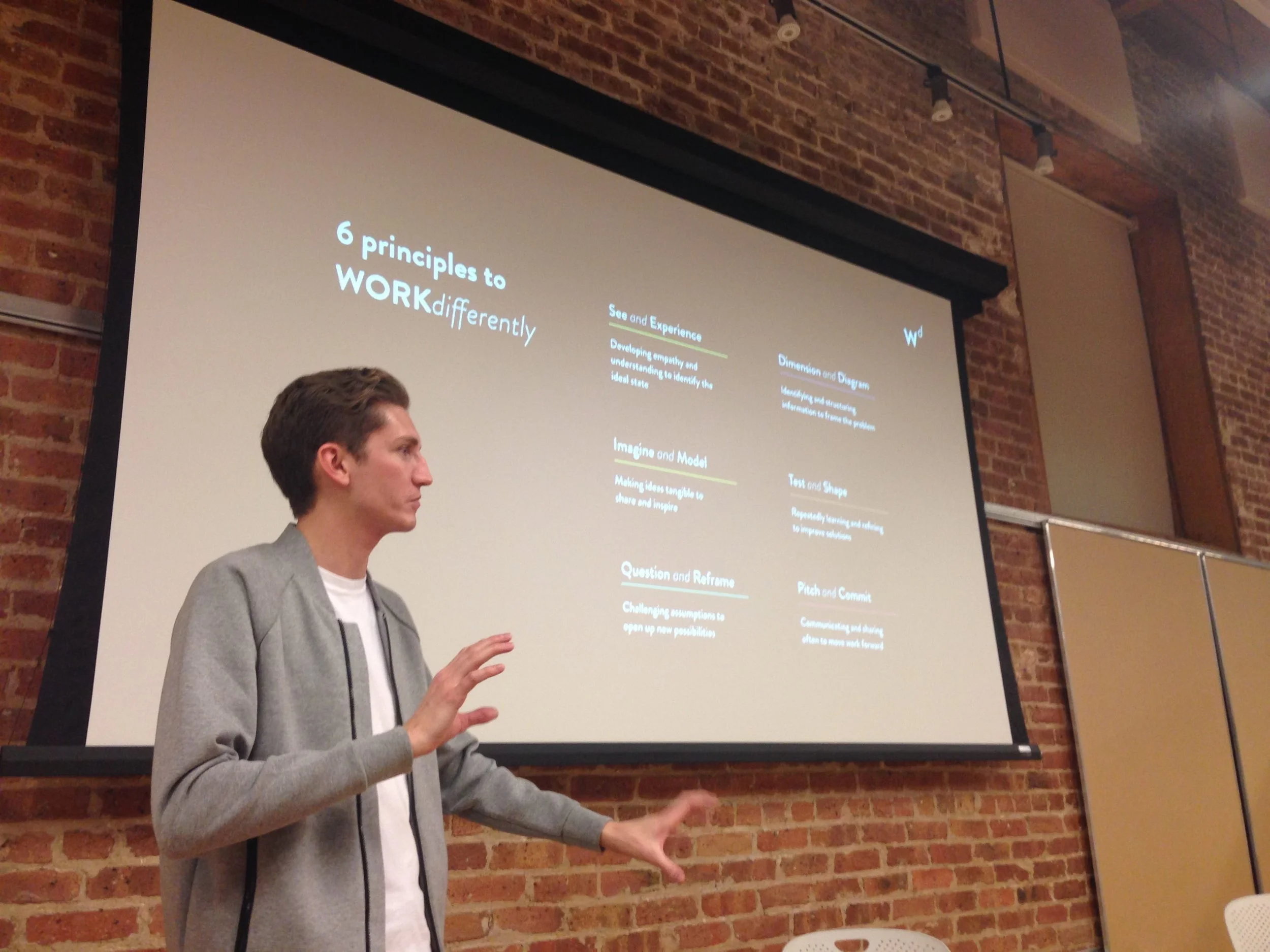
Studio Tour at Gravity Tank
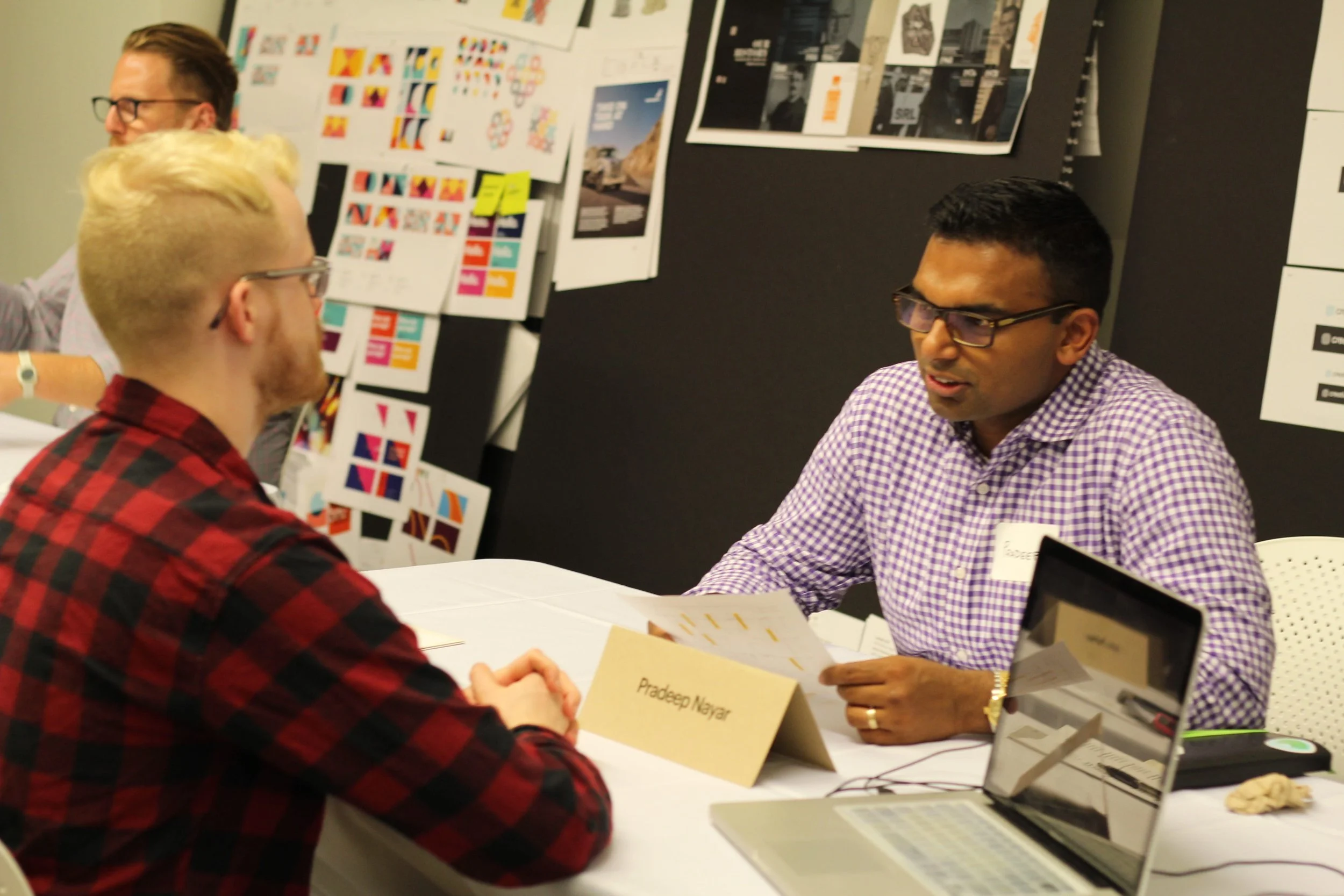
Portfolio Review Session
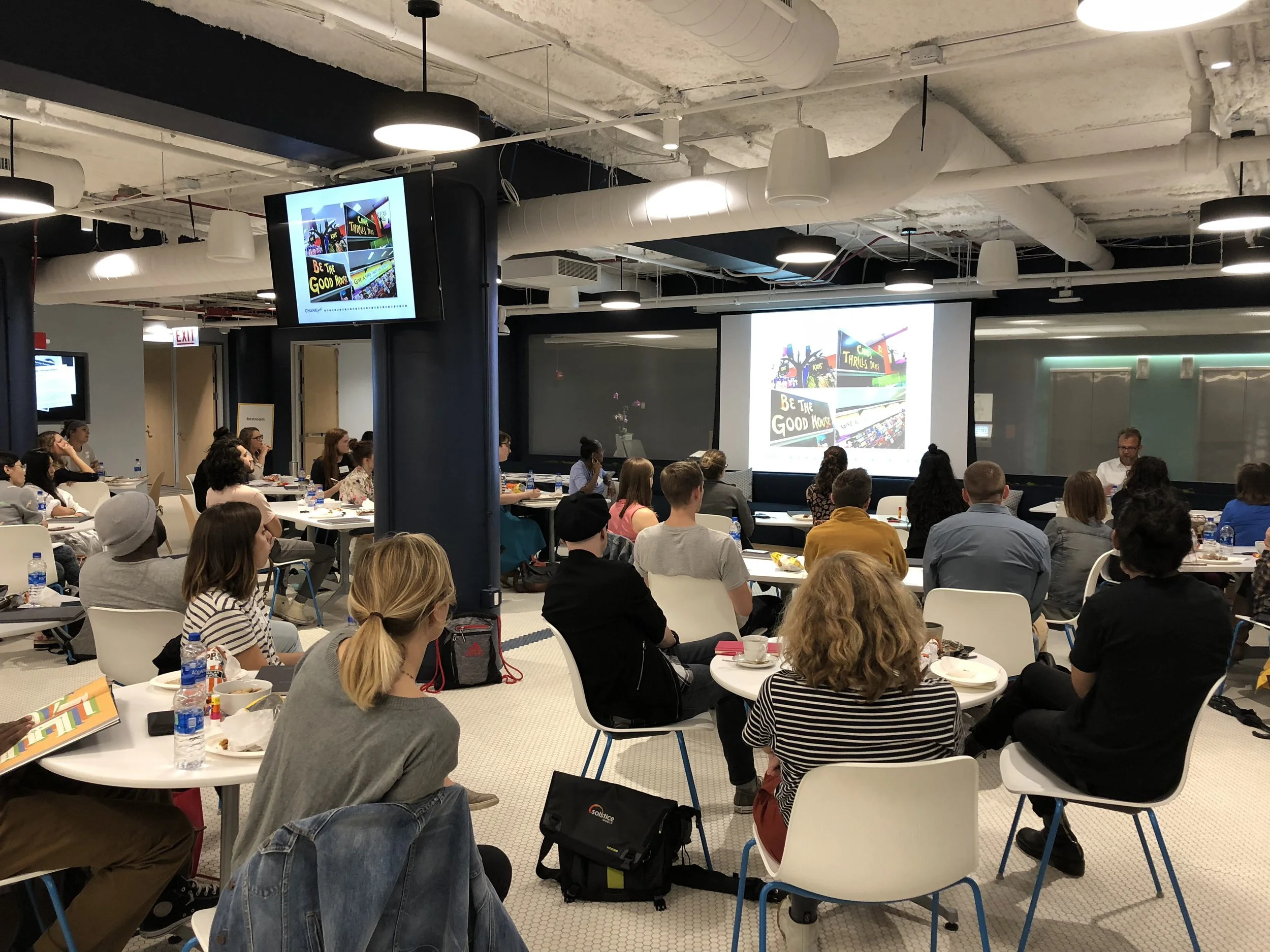
Chank Fonts Collaborative Workshop
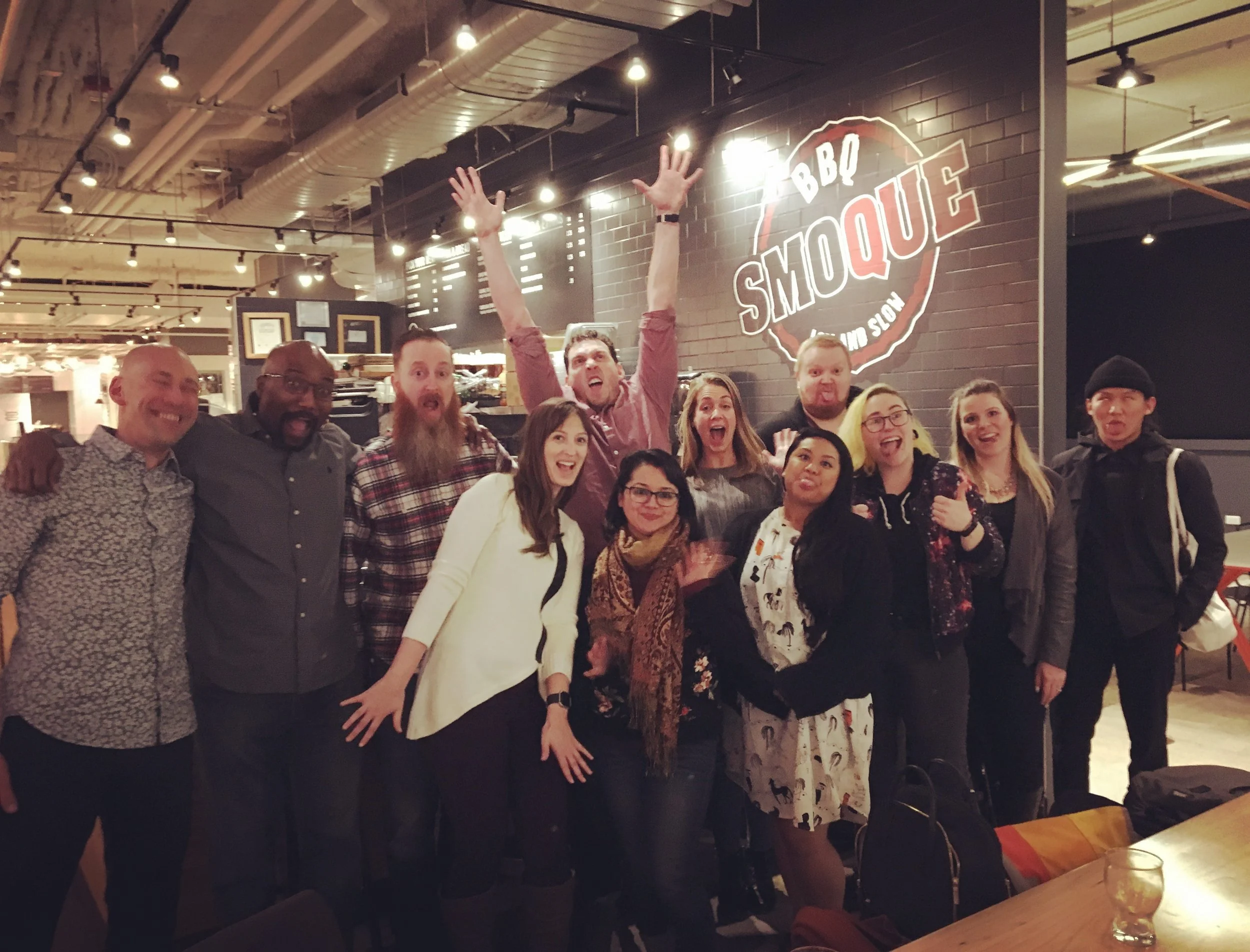
Mentor Cohort Meetup
-
![]()
“Jen has a rare gift for bringing people together and making everyone feel like they belong. Her SheSays events inspired, connected, and empowered Chicago’s creative community.”
L’Oreal Thompson Payton — SheSays Mentor and Speaker
-
![]()
“Jen’s leadership of SheSays Chicago was nothing short of transformative. Her enthusiasm and purpose created life-changing events that made everyone feel seen, valued, and inspired.”
Trina Uzee — SheSays Mentor and Speaker
-
![]()
“It was wonderful to have a place to learn and receive unbiased and nonjudgemental feedback. My mentors were smart, relatable and eager to share their experiences."
Mary McKeating — AIGA Mentor Program Participant
-
![]()
“It was a great way to connect with other designers who are members of AIGA but in a more intimate setting. It also gave me an opportunity to be creative and collaborative outside of my daily job.”
Rebecca Macdonald — AIGA Mentor Program Participant


Why Community Work Matters
These volunteer programs were my building blocks for the enterprise learning systems I design today.
I learned to:
Build curriculum that scales through facilitator enablement, not individual heroics
Design inclusive programming structurally, not as afterthought
Manage volunteer logistics and coordinate teams without formal authority
Measure success through sustained engagement and repeat participation
Create systems that work within resource constraints (no budget, no staff)